Risk Management
Resources
Explore our wide range of resources
Discover our latest resources
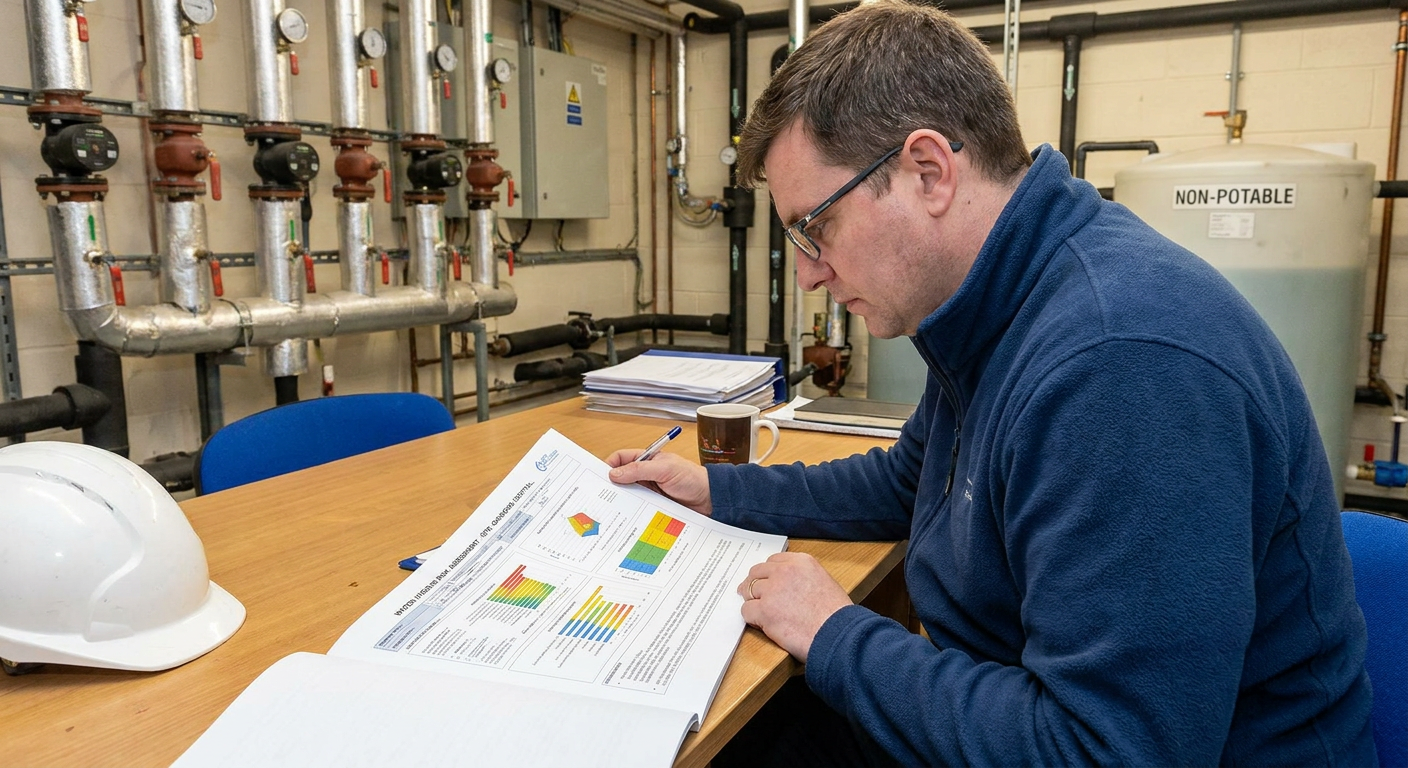
How to Read a Water Hygiene Report
A water hygiene report should not just be filed away. It should help you understand what is happening across your water systems, what risks exist, and what actions need to be taken. HSE’s ACOP L8 is aimed at dutyholders and covers identifying and assessing risk, preparing a scheme to prevent or control risk, implementing and monitoring precautions, keeping records, and
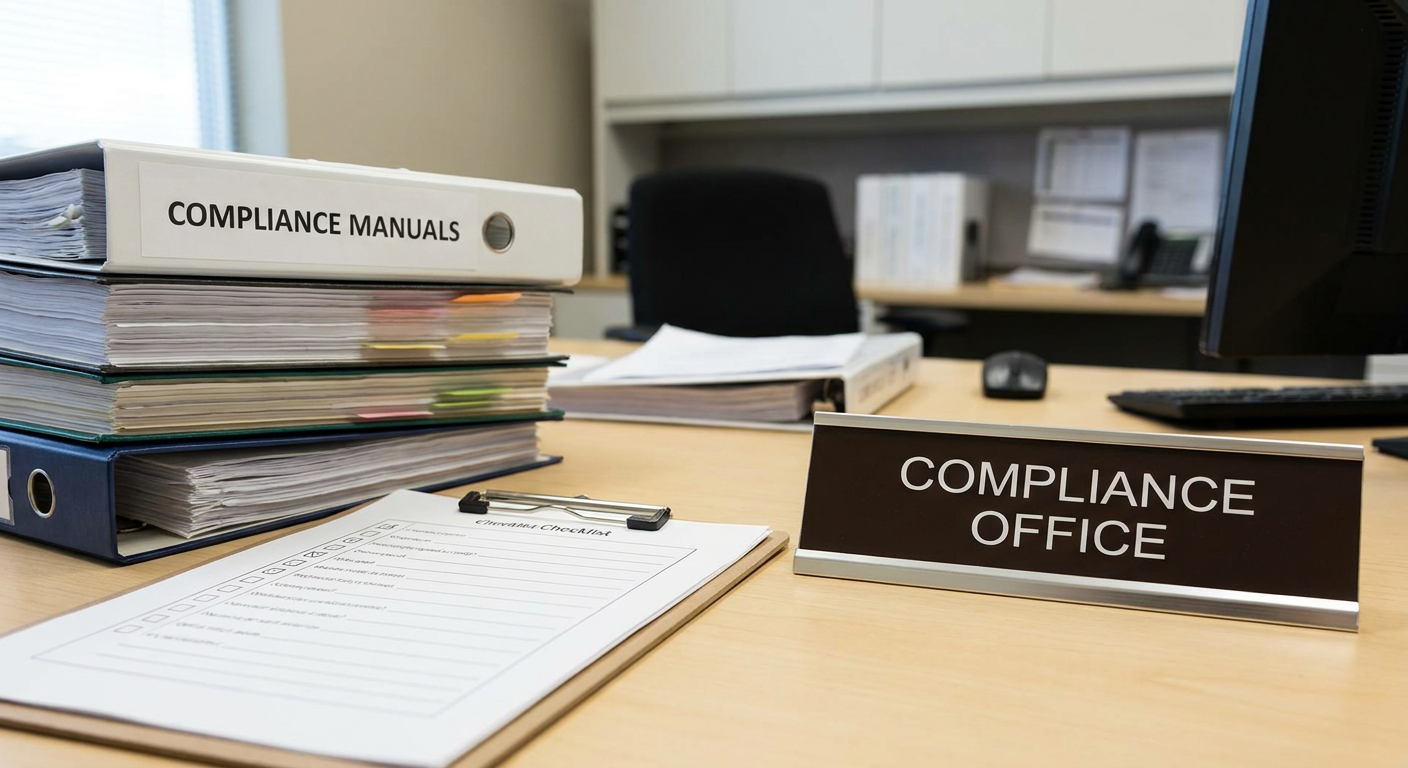
Why Compliance Should Be Proactive, Not Reactive
In water hygiene and Legionella compliance, timing is everything. Too often, action is taken after something goes wrong – a failed audit, a temperature issue, or a gap in records. But by then, the risk has already existed for some time. The difference between reactive and proactive compliance is simple: Reactive compliance manages problems.Proactive compliance prevents them. And in complex

The Top 5 Water Hygiene Risks in Commercial Buildings
When it comes to Legionella compliance, the biggest risks aren’t always the obvious ones. In fact, most issues we see come from small, everyday gaps that go unnoticed over time. Understanding these risks is the first step to controlling them. 1. Inconsistent Temperature Control Hot and cold water systems depend on maintaining the correct temperatures. When checks are missed or

How Facilities Managers Can Streamline Legionella Record-Keeping
Legionella control is not just about maintenance — it’s about evidence. For facilities managers, keeping accurate, up-to-date legionella records is essential for demonstrating compliance, protecting occupants, and simplifying audits. However, record-keeping is often one of the most time-consuming and inconsistent parts of legionella management. The good news? With the right approach, it can be streamlined significantly. Why Legionella Records Matter

Understanding Your Legionella Risk Assessment: What It’s Really Telling You
Understanding Your Legionella Risk Assessment: What It’s Really Telling You Legionella risk assessments are a legal requirement for many businesses, but they are often misunderstood. For facilities managers, building owners, and duty holders, a legionella risk assessment is far more than a compliance document; it’s a practical roadmap for controlling risk and protecting people. In this blog, we break down

The ROI of Professional Water Treatment: It’s More Than Just Compliance
For too long, water treatment has been viewed as a necessary evil; a compliance cost tacked onto the operational budget. This perspective is fundamentally flawed. In the modern business landscape, professional water treatment is not an expense; it is a strategic investment that generates a significant Return on Investment (ROI). Moving beyond the obvious need to avoid regulatory fines, a

The Ultimate Legionella Compliance Checklist for 2026
If you manage a premises with a water system, from a small office block to a large industrial facility, you are legally obligated to manage the risk of Legionnaires’ disease. This responsibility, whether you are the Duty Holder or the Responsible Person, falls under UK health and safety law, primarily the Control of Substances Hazardous to Health Regulations 2002 (COSHH).

How to Choose a Reliable Water Treatment Partner (Without Getting Stung)
Choosing a partner to manage your water treatment isn’t just a business decision; it’s a critical investment in your operational efficiency, equipment lifespan, and compliance. The wrong choice can lead to regulatory issues, costly downtime, and unnecessary stress. So, how do you sort the genuinely reliable experts from the rest? It boils down to a few key qualities that indicate

TMV Regulations in the UK: a Guide to Your Business Obligations
Thermostatic mixing valves (TMVs) play a vital role in protecting people from scalding and supporting safe water management in workplaces. As a business owner, you have legal duties to ensure TMVs are installed, maintained and tested correctly. UK regulations require you to control water temperatures safely, both to prevent injury and to reduce risks such as legionella. Complying with these

8 Causes of Sick Building Syndrome & How to Prevent Them
Spending long hours in an office can sometimes leave workers feeling tired, uncomfortable or even unwell without an obvious cause. These issues often connect to the spaces employees spend time in, especially when air quality, office lighting or building maintenance are not properly managed. This is known as sick building syndrome – a condition whereby occupants of a building (usually

Your Legal Obligation to Supply Water at Work: Landlord Guide
If you rent a commercial property, you have a legal duty to ensure safe and adequate water is always available for those who work there. UK law requires that landlords provide an adequate supply of wholesome drinking water in commercial properties. As a landlord, ignoring your duty to provide water can lead to serious consequences. Regulations like The Workplace (Health,

Water Safety in Independent Schools: Maintaining Hygiene & Water Policies Guide
Keeping water safe and hygienic in private schools protects everyone’s health. Clean water prevents illness from bacteria and viruses, keeps your facilities working properly and helps build trust with parents, staff and pupils. Your school needs clear water policies that outline how to check, treat and maintain your water systems. Regular testing and good hygiene routines are key, as even

The 7 Most Common Bacteria in Water & How to Prevent Them
Keeping your building’s water safe is a key responsibility for every landlord. Bacteria such as legionella, E. coli and salmonella can be found in water systems and may lead to health issues for your tenants if not managed properly. The best way to prevent harmful bacteria in water is by keeping your water systems clean, regularly maintained and free from

Legionella Temperature: How to Keep Your Hot & Cold Water Systems Safe
Keeping your hot and cold water systems at the right temperatures is one of the most effective ways to control the risk of legionella in your rental building. Legionella bacteria thrive in water that is not hot or cold enough, which can put tenants and other building occupants at risk of serious illness. As a landlord, knowing the correct temperature
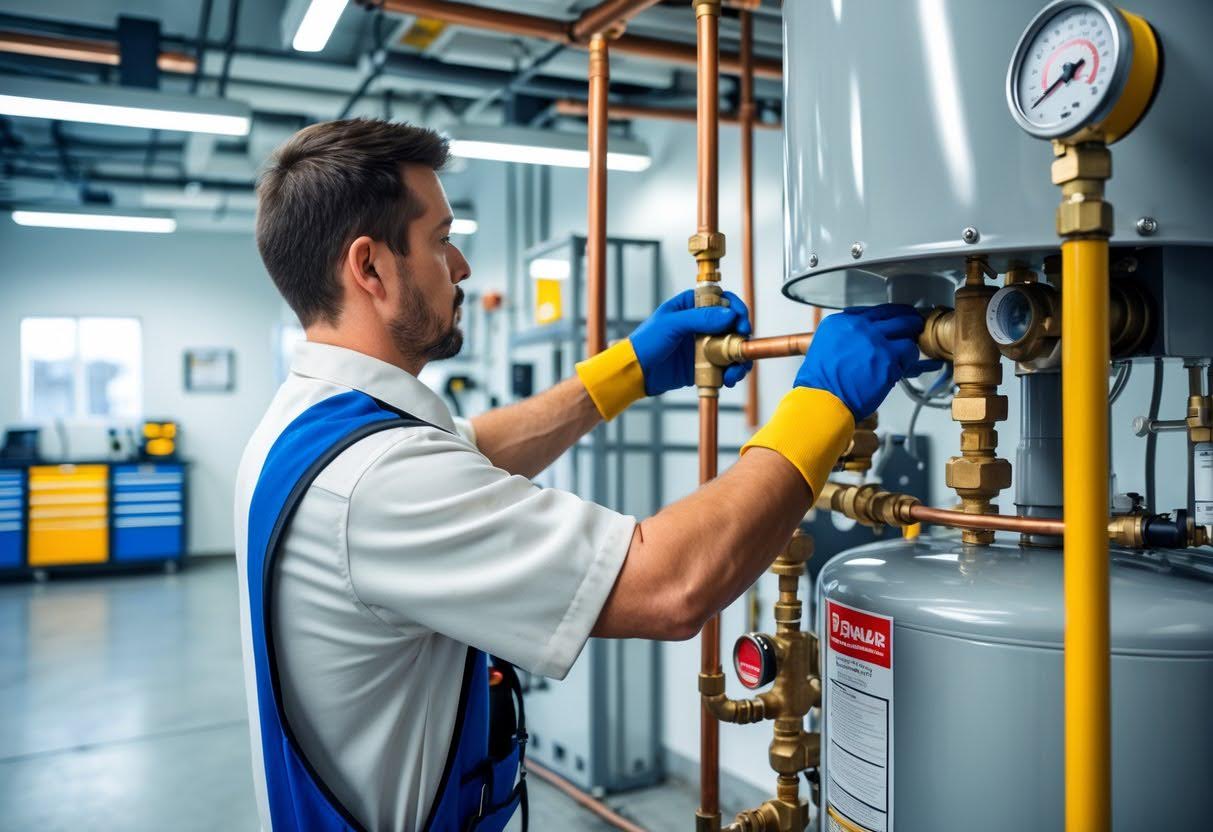
Water Heater Treatment: Essential Tips For Commercial Landlords and Businesses
Regular water heater treatment stops costly breakdowns, extends equipment life and helps you meet health and safety standards. Paying attention to water quality also keeps energy bills under control by improving the system’s efficiency. If you neglect water treatment in your system, scale, corrosion and bacteria can build up quickly, leading to expensive repairs and even compliance headaches. Learning simple

The Ultimate Guide to Water Risk Assessments For Businesses
Businesses and landlords need to take water risks seriously to protect staff, customers and operations. A water risk assessment helps you find and manage dangers like pollution and bacteria, keeping your business safe and compliant. Even simple mistakes can lead to health hazards or costly legal troubles, so staying informed and prepared is essential. By learning how to spot risks

Everything Businesses Need to Know About the Water Treatment Process
The water treatment process is essential for your business to guarantee clean, safe water and comply with legal water regulations. Whether you run a manufacturing facility or a small office, knowing how water is treated helps you protect your staff and customers while keeping your operations in line with regulations. Water treatment involves several stages, including removing particles, disinfection and

Water Compliance Training: Mastering Staff Understanding of Water Safety
Ensuring that employees are well-versed in water safety helps maintain safe environments in many sectors. By investing in water compliance training, you equip your team with the necessary skills and knowledge to manage water systems and prevent potential hazards effectively. Training helps your staff understand the importance of maintaining water system hygiene, ensuring compliance with regulatory standards, and safeguarding against

Mains Chlorination: Essential for Business Water Safety
Safe and clean water is vital for any business, especially when it comes to maintaining health standards and meeting regulatory requirements. One legally required process that ensures this is called mains chlorination. Mains chlorination is the method of disinfecting water supply pipes to eliminate harmful bacteria and pathogens. This process is not only essential for public health but also essential

Water Regulations in the UK: Essential Safety Updates Explained
Water regulations in the UK are continually updated, ensuring continual safety and efficiency. Key changes are regularly announced to ensure the safety of water supplies in England & Wales, and the new Labour government has announced some key forthcoming measures in 2024.

Sustainable Water Practices: the Importance For Local Authorities
Sustainable water practices are required by local authorities more than ever before. With growing challenges like water stress and climate change, it’s vital to embrace sustainable water management. By adopting efficient practices, local authorities can ensure equitable access to water and reduce environmental impact.

How to Test Water Quality and Improve It in Public Buildings: Essential Steps and Best Practices
Ensuring high water quality in public buildings is non-negotiable. To check water quality effectively, building owners should start by looking at the clarity and smell of the tap water. If you notice any issues, contact your water company or local council, or enlist specialist water hygiene support. Regular water testing is important to catch potential problems early.

Emergency Water: A Business Guide to Storage, Supply, and Safety in Emergencies
In an emergency situation, having a reliable water supply can be crucial for survival. Ensuring that you have safe drinking water stored properly can make a significant difference. This is true for businesses as well as homes, particularly if you’re trapped in a business building. Emergency water supplies should always be a part of your emergency kit, especially since local water sources may become contaminated or unavailable.

Water Hygiene in Schools: Essential Best Practices for Safe Water Systems
Ensuring good water hygiene in schools is essential for a safe learning environment. Keeping water systems clean and well-maintained helps prevent the spread of waterborne diseases and supports the health and wellbeing of students and staff alike. From proper water treatment methods to regular testing, primary and secondary schools need to adopt best practices to maintain high standards. You need