
Risk Management
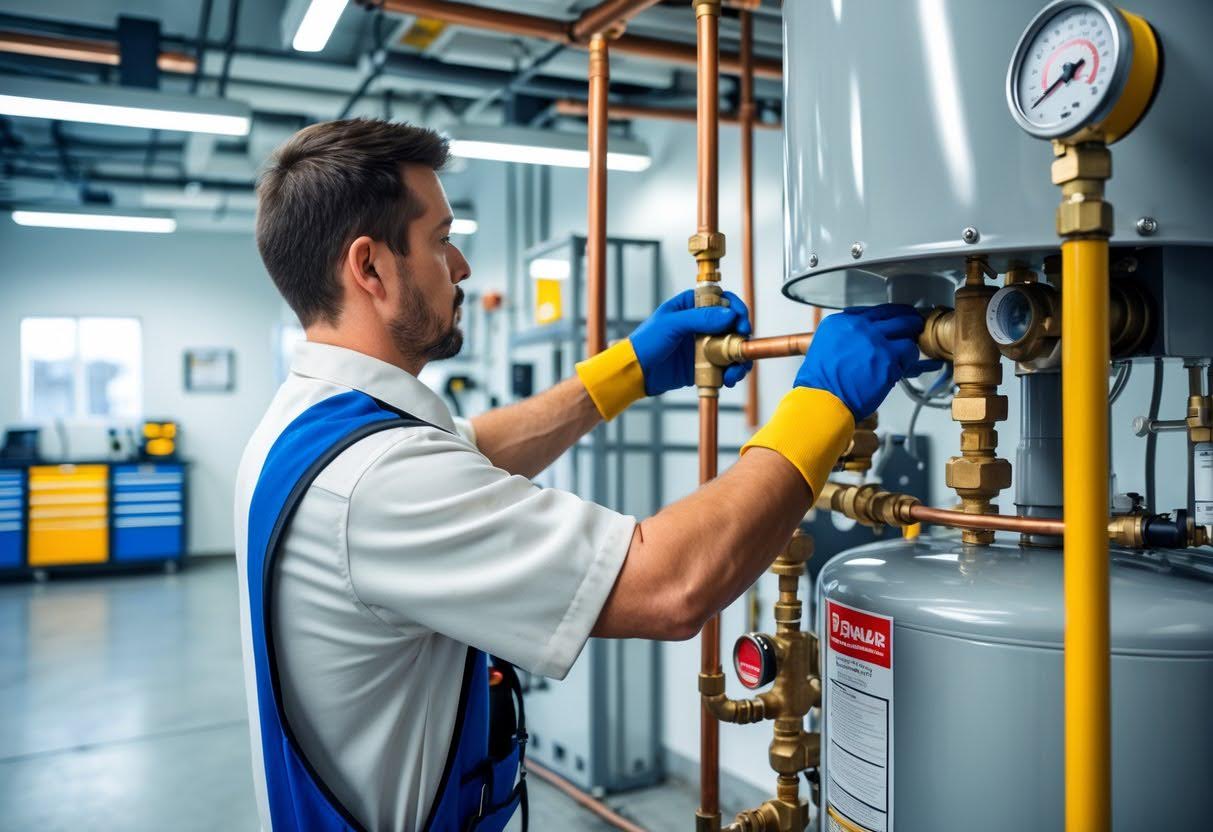
Regular water heater treatment stops costly breakdowns, extends equipment life and helps you meet health and safety standards. Paying attention to water quality also keeps energy bills under control by improving the system’s efficiency.
If you neglect water treatment in your system, scale, corrosion and bacteria can build up quickly, leading to expensive repairs and even compliance headaches. Learning simple checks and ongoing water treatment steps makes a real difference for landlords and businesses.
Essential water heater treatment strategies for commercial properties

Proper water heater care ensures safe, efficient and reliable hot water for your business. Addressing regular checks, water quality and pressure helps keep your system working at its best and avoids costly downtime.
Regular maintenance for hot water heaters
Routine inspections are the backbone of effective hot water heater management. Checking the water tank, sacrificial anode rod and relief valve annuallyevery few months. Purging the water from the base and associated expansion vessels to release sediment build upDraining the tank or using a garden hose to flush out sediment buildup improves hot water quality and extends system life.
Inspect the cold water supply valve and hot water faucet connections for leaks, corrosion or signs of wear. Services for gas water heaters should include a check of the burner assembly, while electric water heaters may need regular thermostat inspections.
For businesses with tankless water heaters or heat pump water heaters, make sure filters and air vents are clear of debris. Keeping a detailed log of system water checks and maintenance actions can help you catch water heater problems before they become severe.
Optimising water quality and preventing scale
Hard water can cause limescale and reduce efficiency in storage tank water heaters, solar water heaters, or hot water storage cylinders. Use approved water softener or water filtration systems to help limit scale and mineral deposits.
Monitor system water using a simple test kit or consult a water treatment expert to manage hardness and chemical balance. Regularly test the water quality after commissioning a new system and on a routine schedule. Targeting water quality issues early protects parts like the sacrificial anode rod and water tank, reducing maintenance costs and the risk of breakdowns.
Managing water temperature and pressure
Consistent water temperature and controlled pressure prevent both scalding and damage to the water heater. Set thermostats to safe limits for storage tank water heaters and point-of-use systems. Adjust temperature controls on heat pumps and solar water heaters, especially during periods of low demand.
Check the pressure relief valve at regular intervals to ensure it remains functional, and monitor water pressure through gauges connected to the hot water system. Sudden changes in pressure can signal leaks or malfunction in the cold water supply valve or water flow restrictions.
For environments with variable demand, use programmable temperature settings or lower water temperature during off-hours to save energy and reduce wear. Installing pressure-regulating valves and expanding tanks can help maintain ideal water pressure for both hot water on demand and continuous supply setups.
Improving safety, efficiency and compliance in commercial water systems

Keeping your commercial water system safe reduces health risks and meets strict legal standards. At the same time, controlling costs and solving common problems can boost your building’s efficiency and save money in the long run.
Addressing legionella and waterborne risk
Legionella bacteria are a serious health risk in large buildings, especially where water can stagnate, like in cold water storage tanks and drinking water tanks. The bacteria can spread through airborne water droplets, which people can inhale from hot and cold water outlets, air conditioning or showers.
To reduce risk, you should carry out regular water quality testing and keep stored waterhot water lines at least 60°C and cold water below 20°C. Water disinfection methods like thermal flushing or chlorination can further protect your system. Install water filters at key points to remove any bacteria or debris before water reaches users.
Routine maintenance, like cleaning and inspecting tanks, helps prevent contamination. A detailed water test schedule can warn of problems before they become a risk. Regular checks also support compliance with regulations for legionella control in businesses and rental properties.
Cost control and sustainability measures
Commercial landlords can cut water bills and save energy in a few ways. Insulate hot water pipeslines and tanks to reduce heat loss. Prevent waste by fitting leak detection and system monitoring devices that track water use in real time. These tools can alert you to issues quickly and prevent expensive leaks.
Routine water quality tests help avoid calcium buildup and lime or limescale buildup, which lower heater efficiency and increase energy use. Installing a water treatment solution can prevent mineral scaling and stop boilers from working harder than needed.
Replace magnesium anode rods or sacrificial anodes regularly to protect metal parts inside the tank from corrosion. This keeps maintenance costs low and preserves water quality for your tenants or business users.
Troubleshooting common issues in commercial water heating
Frequent problems include slow heating, uneven temperatures and water odours. Calcium or limescale buildup is often to blame, as it insulates the heating element from the water. Signs include noisy tanks, higher energy bills and inconsistent water temperature.
Schedule regular inspections of hot water boiling taps, tanks and all hot and cold water outlets. Cleaning or replacing anodes and water filters can resolve many issues.
If you notice drops in output or leaks, check the pipe insulation and cold water storage tanks. Water catchment problems, poorly maintained sacrificial anodes or old filters may also cause problems. Fast response prevents system damage and protects both users’ safety and comfort.
Without years of experience and qualifications in water hygiene and treatment, this may all be difficult to carry out fully in house. That’s when you can enlist the help of an expert like Aqua Compliance, who will be more thorough.
Frequently asked questions

Understanding your responsibilities as a commercial landlord or business can help you maintain safe and compliant water heating systems. Proper maintenance, regular risk checks, and staying updated on safety laws are important for everyone using or managing these systems.
What are the water heater maintenance responsibilities for commercial landlords?
You are responsible for keeping water heaters safe, efficient and in good working order. This includes having the system inspected, serviced and maintained by a qualified professional at regular intervals. You should also ensure any repairs are done quickly to prevent risks for tenants and building users.
Are there specific electrical safety obligations for commercial landlords regarding water heaters?
Yes, you must ensure all electrical water heaters are installed safely and inspected regularly. Only qualified personnel should carry out water heater installation and maintenance. Check wiring, switches and fuses to confirm they meet current British standards and are free from damage.
What steps should be taken for legionella prevention in commercial properties?
For legionella control, you should assess the risk of bacteria growth in your water system. Use instant water heaters like combi boilers and electric showers to reduce the need for stored hot water. Provide clear legionella guidance for tenants and have regular checks to make sure water temperatures and cleanliness are safe.
How often should risk assessments be conducted on commercial water heating systems?
Risk assessments should be carried out when a new system is installed or there is a significant change to the system or usage, and repeated at regular intervals, either annually or whenever system changes occur. This helps catch new risks and keeps records up to date so you can address problems quickly.
Can tenants hold commercial landlords accountable for water heater issues under the Landlord and Tenant Act 1985?
Yes. Under the Landlord and Tenant Act 1985, you are required to keep water heating equipment in safe working condition. If you fail to fix problems or carry out repairs, tenants may seek action to address the issue or recover costs.
Discover the Latest Blogs
Stay informed with our informative blog posts and articles.
All blogs
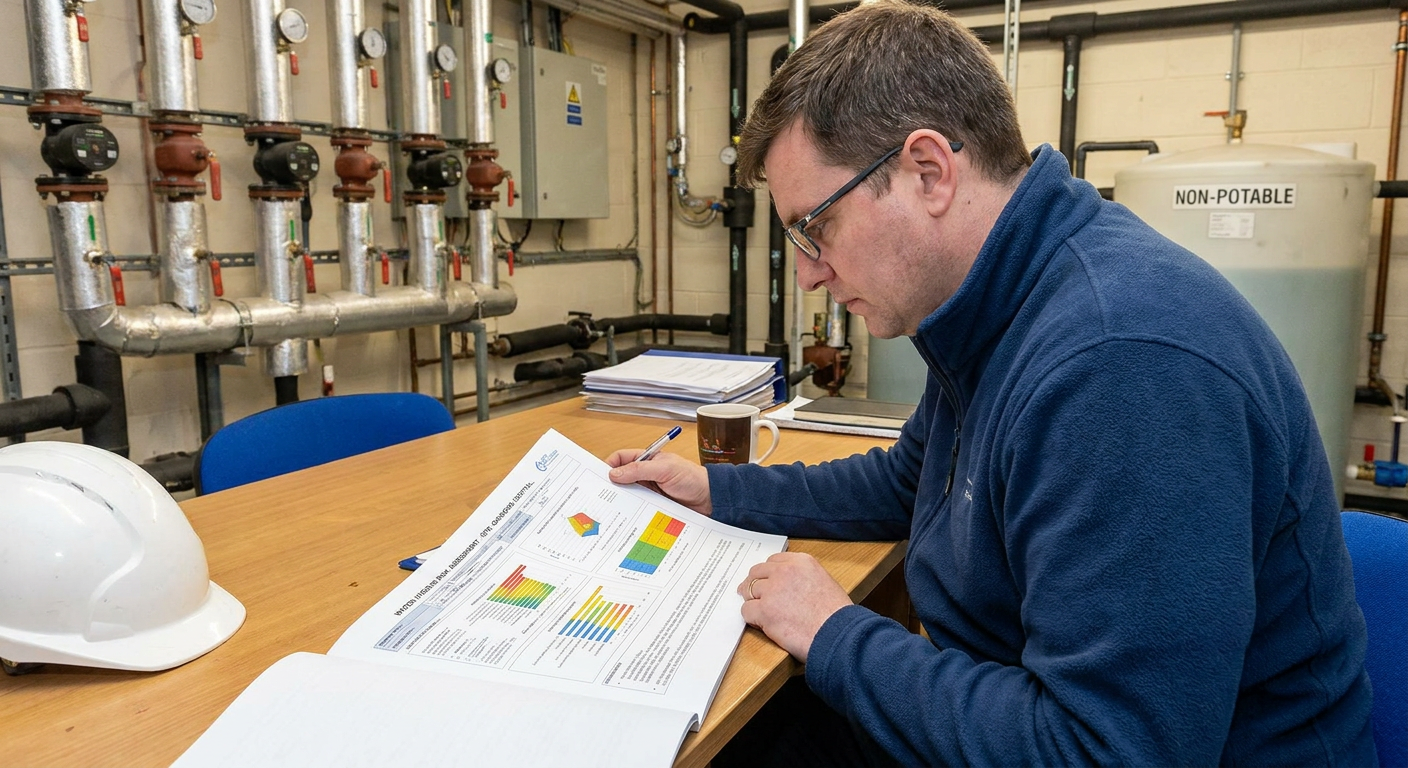
How to Read a Water Hygiene Report
A water hygiene report should not just be filed away. It should help you understand what is happening across your water systems, what risks exist, and what actions need to be taken. HSE’s ACOP L8 is aimed at dutyholders and covers identifying and assessing risk, preparing a scheme to prevent or control risk, implementing and monitoring precautions, keeping records, and
Why Compliance Should Be Proactive, Not Reactive
In water hygiene and Legionella compliance, timing is everything. Too often, action is taken after something goes wrong – a failed audit, a temperature issue, or a gap in records. But by then, the risk has already existed for some time. The difference between reactive and proactive compliance is simple: Reactive compliance manages problems.Proactive compliance prevents them. And in complex

The Top 5 Water Hygiene Risks in Commercial Buildings
When it comes to Legionella compliance, the biggest risks aren’t always the obvious ones. In fact, most issues we see come from small, everyday gaps that go unnoticed over time. Understanding these risks is the first step to controlling them. 1. Inconsistent Temperature Control Hot and cold water systems depend on maintaining the correct temperatures. When checks are missed or