
Risk Management

If you rent a commercial property, you have a legal duty to ensure safe and adequate water is always available for those who work there. UK law requires that landlords provide an adequate supply of wholesome drinking water in commercial properties.
As a landlord, ignoring your duty to provide water can lead to serious consequences. Regulations like The Workplace (Health, Safety and Welfare) Regulations 1992 clearly state that both drinking water and hygiene facilities must be readily accessible and properly marked in workplaces.
To stay compliant and avoid penalties, you need to know exactly what is expected, where you could fall short and how to make sure your property meets the latest government regulations.
This guide explains everything you need to know to confidently meet your responsibilities and comply with drinking water standards.
Legal requirements for supplying water in commercial and residential premises
Landlords have clear legal responsibilities when it comes to ensuring a proper water supply in commercial premises. These duties help protect tenants’ health and support compliance with safety standards.
Statutory duties and warranty of habitability
You are legally required to provide a safe, dependable supply of water in occupied buildings. The Workplace (Health, Safety and Welfare) Regulations 1992 state that every workplace must have an adequate supply of wholesome drinking water. This must be accessible, clearly marked and safe for consumption.
If a property does not have running water, it may be deemed unfit for occupation. This puts legal pressure on you to maintain your water supply systems and quickly address any failures. These statutory obligations apply whether you let single homes, flats or larger blocks.
Failing to provide safe water can expose you to action by local authorities or claims by business tenants. To avoid disputes and enforcement action, you should always prioritise prompt repairs and regular checks of the water system.
Building and housing codes for water supply
You must follow all relevant building standards related to water supply. In new builds and major refurbishments, water supply requirements are detailed in the Building Regulations 2010. These set minimum standards for installation, water quality and backflow prevention. For existing properties, local housing authorities may carry out inspections to ensure compliance with public health and safety standards.
If you fail to meet these codes, authorities can serve improvement notices or take enforcement action.
Responsibilities under rental agreements
Your rental agreement should clearly state who is responsible for water supply, repairs and maintenance. As the landlord, you must ensure the supply is functioning reliably, even if the business tenant pays for water use directly.
Many agreements also require you to respond quickly to any water supply problems or water quality issues that arise. Business tenants can withhold rent or seek compensation if your actions fall short of these requirements.
Keeping clear records of repairs and scheduled checks will help you demonstrate your commitment to maintaining good living standards.
Types of water supply, safety standards and enforcement
Every landlord in the UK must ensure tenants have access to reliable, safe water. If you own or manage commercial or residential property, you need to understand the different kinds of water supply you’re responsible for, minimum safety standards and how enforcement works if you fall short of your legal duties.
Public versus private water supplies
Properties can receive water either through a public water supply or a private water supply. Most towns and cities rely on public water from a licensed water undertaker, delivered via a water main.
Under the Water Industry Act 1991, you as the landlord are still responsible for water safety and sufficiency whether your building uses public or private supply. Private water supplies need special monitoring for water quality and may involve an abstraction licence if you’re drawing from surface or groundwater directly.
Drinking water, hot water and distribution systems
You must supply tenants with potable (drinking) water that meets safety standards. This covers water for drinking, cooking and washing. The water must be fit for human consumption and meet all microbiological quality criteria. If it’s not, you must carry out water treatment.
Hot water must also be available for daily hygiene and cleaning. The water distribution system, including tanks and supply pipes, must be properly designed and maintained. Issues like corrosion and cross-contamination in pipework can lead to unsafe water. Water Supply (Water Fittings) Regulations 1999 set clear requirements for plumbing and distribution networks to prevent contamination and water loss.
Regular maintenance of plumbing fixtures and systems is essential to reduce public health risks and ensure compliance with legal duties.
Testing, risk assessments and compliance notices
Ongoing testing and risk assessment are key parts of managing water supply safety. Local authorities may require a bacteriological examination to confirm microbiological quality. For private water supplies, the law states that risk assessments must be carried out at least every five years and whenever concerns arise.
If inspections reveal problems, you could be served with an improvement notice or a legal notice of violation. These notices tell you what needs to be fixed and by when. If you fail to act, local authorities can follow up with further enforcement, which may include civil penalties or even supply restrictions.
Enforcement powers and regulatory duties
Authorities have broad enforcement powers under laws like the Water Industry Act 1991. If you breach water supply standards, the local council or the Department of Health can serve a compliance or improvement notice. This may demand urgent steps to make water wholesome or sufficient.
Enforcement tools include:
- written notices outlining the actions you must take
- fines and civil penalties for non-compliance
- payment for remedial works done to the local authority if you fail to act
- entry to properties for inspection or issue resolution.
For private supplies, proving ongoing compliance is especially important. Disputes about responsibility can delay repairs, but authorities can still require urgent works to protect health.
Frequently asked questions
You must provide clean and safe water to tenants as required by law. Landlords have clear duties to keep water accessible and maintain proper standards for health and safety.
What are the key responsibilities of commercial landlords regarding water supply?
You are required to provide a continuous supply of potable drinking water for everyone at work in the building. The water must be easy to access and clearly marked if needed for safety or health. Employers must also provide cups if the water does not come from a jet that people can drink from directly.
Are residential landlords in the UK legally obliged to maintain water systems?
Yes, you are legally responsible for making sure the water systems in your property are kept in proper working order. Repairs to water pipes, tanks and other fittings must be done promptly to ensure your tenants always have a safe private water supply.
What are the penalties for failing to adhere to water supply regulations?
If you do not provide an adequate water supply or fail in your duties, you may be prosecuted or fined. Local authorities have the power to take legal action against landlords who breach health and safety rules concerning water. In some cases, persistent failures can lead to much higher penalties or loss of the right to rent out your property.
What steps should a landlord take if they are unable to provide an adequate water supply?
You should take urgent action to fix the water problem. Arrange for repairs or provide temporary water as needed. Communication is important; keep your tenants updated and document your actions. For long-term issues, you may need to give alternative accommodation or adjust rent until the supply is restored. Going forward, you should carry out regular risk assessments to identify issues before they become a problem. If you find any issues, then you’ll need to carry out water treatment.
Discover the Latest Blogs
Stay informed with our informative blog posts and articles.
All blogs
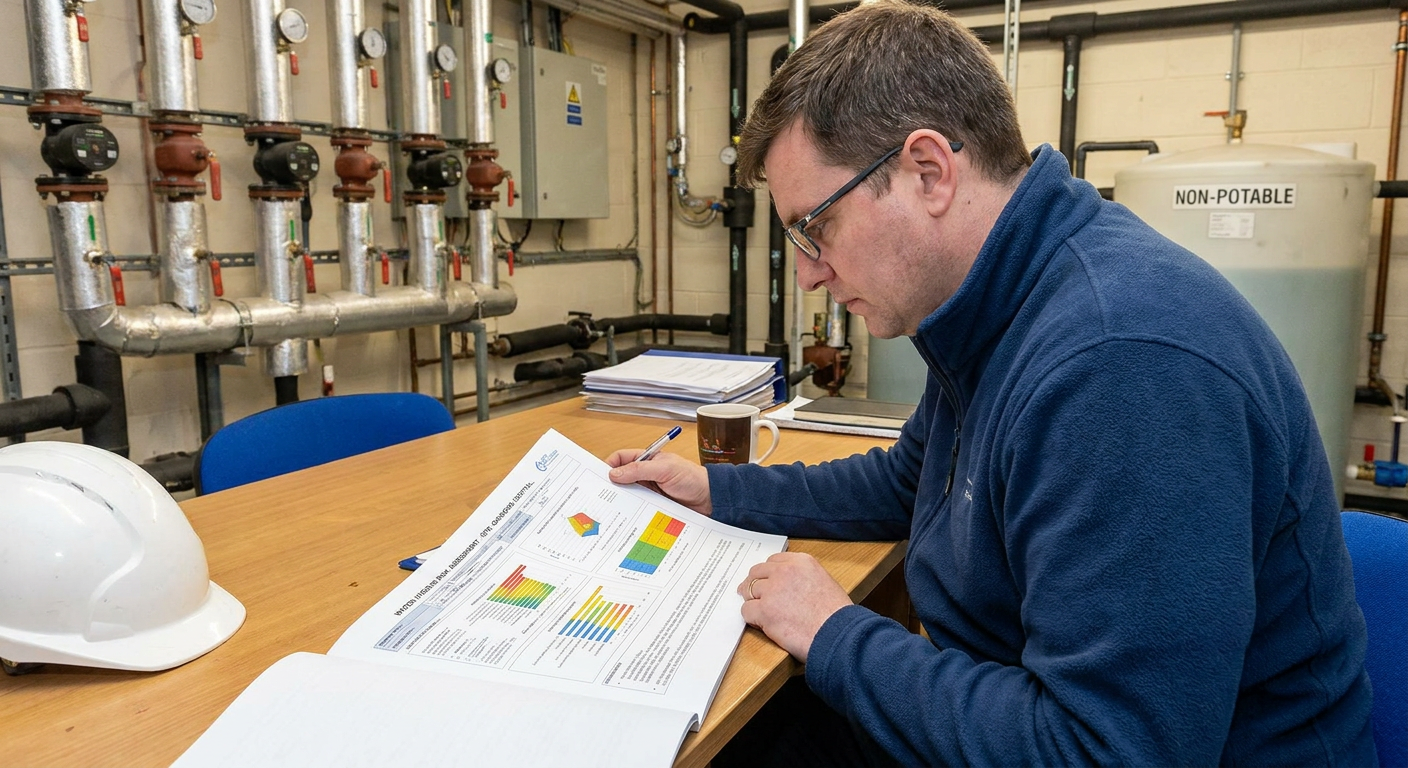
How to Read a Water Hygiene Report
A water hygiene report should not just be filed away. It should help you understand what is happening across your water systems, what risks exist, and what actions need to be taken. HSE’s ACOP L8 is aimed at dutyholders and covers identifying and assessing risk, preparing a scheme to prevent or control risk, implementing and monitoring precautions, keeping records, and

Why Compliance Should Be Proactive, Not Reactive
In water hygiene and Legionella compliance, timing is everything. Too often, action is taken after something goes wrong – a failed audit, a temperature issue, or a gap in records. But by then, the risk has already existed for some time. The difference between reactive and proactive compliance is simple: Reactive compliance manages problems.Proactive compliance prevents them. And in complex

The Top 5 Water Hygiene Risks in Commercial Buildings
When it comes to Legionella compliance, the biggest risks aren’t always the obvious ones. In fact, most issues we see come from small, everyday gaps that go unnoticed over time. Understanding these risks is the first step to controlling them. 1. Inconsistent Temperature Control Hot and cold water systems depend on maintaining the correct temperatures. When checks are missed or