Risk Management

The water treatment process is essential for your business to guarantee clean, safe water and comply with legal water regulations. Whether you run a manufacturing facility or a small office, knowing how water is treated helps you protect your staff and customers while keeping your operations in line with regulations.
Water treatment involves several stages, including removing particles, disinfection and continuous monitoring, so you can be confident in your water’s quality. Learning the basics will help you manage costs and prevent costly breakdowns or health risks.
By understanding each part of the treatment process, you will be able to make well-informed decisions about your water supply and how it fits into your daily operations.
Here, we cover how water is treated before it reaches you, and the essential ongoing water treatment processes that you need to carry out to maintain the safety of your business’ water supply.
Understanding the water treatment process
Clean water is essential for your business, whether for daily operations or meeting drinking water standards. Knowing how water treatment works can help you understand how to keep your water safe, avoid water pollution and protect the health of your employees and customers.
Key stages of water treatment
The water treatment process contains several key steps to make sure that raw water becomes safe, clean and clear for use. At most water treatment plants, the process starts with coagulation. In this step, chemicals are added to raw water to help tiny particles stick together.
Next, during flocculation, gentle mixing allows these clumped particles, or flocs, to form larger groups. The water then moves to the sedimentation stage. Here, heavy flocs settle at the bottom, leaving cleaner water at the top.
Screening and further filtration remove any remaining solid material. After this, a disinfectant like chlorine is added to kill harmful bacteria and viruses. The final stage ensures the treated water meets strict quality standards before it is sent to your taps.
Sources of raw water
Raw water comes from several main sources. These include rivers, lakes, reservoirs and underground aquifers. Each source has different types of contamination and water quality challenges.
Rivers and lakes may contain more organic matter, algae or pollution from farms or factories. Groundwater from aquifers often has minerals like iron or hardness that need treatment to make it suitable for human consumption. Some businesses use water from reservoirs that can hold large amounts of rainwater, but even this water can have dirt, bacteria or chemical residues.
Water treatment plants are built near these sources to capture and treat water before distribution. Knowing which water resources you use is important for site safety and treatment planning.
The importance of cleaner water for human health
Cleaner water is vital for human health and safety. Safe water helps prevent waterborne diseases like cholera, dysentery and typhoid. Untreated or poorly treated water can carry bacteria, viruses and harmful chemicals.
Businesses need to supply safe water for both employees and customers. This is not only a legal requirement but also important for protecting public health. Wastewater treatment plants play a key role in removing contaminants from water before it is discharged back into the environment, reducing the risk of water pollution reaching drinking water supplies.
Core treatment methods and technologies
Businesses need to understand the practical steps used to treat water. Each stage uses specific water treatment technologies to remove contaminants, solids and harmful bacteria, making the water safe for use or discharge.
Physical and chemical treatment stages
The first step in many treatment plants uses physical barriers to remove larger particles and debris. Metal screens are placed at the entry point to catch rubbish, plants or any solid waste found in raw water.
Following initial screening, water often passes through an aeration tank. This stage helps remove dissolved gases and odours. Aeration also encourages certain solids to settle out, making later processes more efficient. In some systems, water treatment chemicals such as ferric chloride or aluminium sulfate are added early to help with later steps.
You might also see chemical treatment in action to alter pH levels or help future chemical reactions work better. These first stages are important for reducing the overall load of contaminants that need further treatment.
Coagulation and flocculation processes
Coagulation involves adding a primary coagulant, which might be ferric chloride or aluminium sulfate, into the water. These chemicals cause smaller particles to bind together into tiny clumps. A coagulant aid can be used to improve the process further, helping more particles to join.
Once coagulants are mixed into the water, the flocculation process begins. Here, slow and gentle stirring brings the clumped particles together to form larger and heavier flocs. This step is vital because it allows those fine suspended particles that would otherwise escape filtering to become big enough to settle down easily.
Effective coagulation and flocculation reduce cloudiness and improve how well sedimentation and later filtration work. These processes are central parts of modern water treatment technologies and form a key defence against contaminants.
Sedimentation and filtration
After flocculation, water flows into sedimentation basins or a settlement tank. Here, gravity helps the large flocs settle to the bottom. This forms a sludge blanket or a layer of sludge that stays in the tank for later removal. This physical separation removes much of the dirt and solids from the water.
The cleaner water on top passes through multiple filters made of sand, gravel or other materials. These filters catch any remaining particles that did not settle in the sedimentation stage. Additional filtration steps, like using activated carbon or reverse osmosis, may be used to remove smaller contaminants, salts or chemicals for extra safety.
Proper sedimentation and filtration greatly improve water clarity and remove harmful substances before the final treatment stage.
Disinfection and final treatment
Once the water is free of most solids, disinfection protects against pathogenic and harmful bacteria. The most common water disinfection methods use chemicals, with chlorine or chlorine dioxide used as standard. These chemicals destroy bacteria and viruses that could cause illness.
In some cases, treatment plants use ultraviolet (UV) light instead of chemicals for water disinfection. UV treatment offers another way to kill microorganisms without adding chemicals to the water. Frequent monitoring helps control chemical doses and keep water safe for its intended use.
Final treatment may also include pH adjustment, removal of any by-products from disinfection or even more advanced cleaning if needed for specific industrial purposes. These steps ensure the treated water meets government and health standards before being distributed or discharged.
Business considerations for water treatment
Meeting water treatment needs is essential for legal compliance, safe daily operations and protecting your assets and investments. Ensuring your water systems meet all necessary standards can help prevent costly incidents and maintain the best-quality water for your business.
Compliance and drinking water standards
You must comply with strict drinking water standards that govern water safety and quality. The Water Supply (Water Fittings) Regulations 1999 set requirements for water fittings, installation and maintenance to keep water clean and prevent contamination. These rules apply to all parts of your water network.
Regular water sampling and testing is necessary to show your supplies meet national legal standards. Monitoring helps ensure your drinking water is safe for use and fits the required safety limits for consumption or use in production.
Documentation and record-keeping play an important role. You need to keep adequate records of water quality tests, water meter readings and all water treatments you’ve carried out. Failing to do this can result in legal penalties or business interruptions.
Infrastructure and Water Distribution Systems
You need to keep your water distribution systems in good condition. Your water network includes pipes, pumps, water meters, storage tanks and connections to external water supplies. Weaknesses in system maintenance can cause leaks, loss of water pressure or contamination.
It is important to check and maintain water pressure, as variations can impact equipment and water quality. Installing reliable water meters helps track usage and spot unusual patterns that may point to leaks or inefficiencies. Testing pipes and valves can reduce the risk of failures and help your company maintain a steady supply of best-quality water. For example, RPZ valve testing ensures your water systems are continually safe from backflow contamination.
Routine inspections and maintenance tasks keep your infrastructure working as planned. They also ensure your business avoids supply interruptions or quality issues. Any changes to your water distribution systems should stay in line with current regulations for safe and compliant water delivery. You’ll also need to renew actions like legionella risk assessments when you make changes to your systems to remain compliant.
Industrial and critical applications
In industrial or critical settings, water treatment extends beyond just providing clean and safe water. Many businesses need custom water treatment solutions for specific industrial processes and critical applications, such as boiler water systems and cooling towers.
Your business may need to use specialist filtration, softening or chemical treatment based on your production needs. These steps protect industrial equipment from scale, corrosion or biofouling. Using the correct processes can also improve product quality and extend the life of vital machinery.
It is common to monitor water with sensors or automatic control systems. They help maintain the right chemical balance and water temperature to avoid downtime or product waste. A carefully managed water hygiene and treatment programme also helps ensure that your process water meets all industry regulations.
Operational challenges and sustainable practices
Managing water treatment in your business involves careful planning, consistent maintenance and smart resource management to avoid costly setbacks and remain compliant. Sustainable practices are central to protecting resources for the long term.
Maintenance and health and safety requirements
Essential maintenance is key to preventing breakdowns and ensuring your system runs smoothly. Regular inspections and immediate attention to damaged equipment can help you avoid leaks, contamination and expensive repairs. You must also manage backwash waters and effluent water correctly to prevent harm to the environment.
Health and safety rules for water treatment are strict. Staff handling hazardous chemicals or additional chemicals must wear protection and follow safety procedures. Emergency procedures, such as having tankers on standby for spills or system failures, are a necessary precautionary measure. Using a developer services portal can help track maintenance requirements and monitor compliance with legal standards.
Key maintenance tasks include:
- regular equipment checks
- cleaning filters and tanks
- safe chemical storage and handling
- correct disposal of waste by-products.
Keeping records of all tasks helps prove your business meets required standards.
Resource management and energy efficiency
Water treatment can use a lot of energy. High energy consumption not only raises costs but can impact your carbon footprint. To manage energy requirements and improve energy savings, consider using more efficient pumps, sensors and renewable energy sources where possible.
Businesses are turning to eco-friendly solutions like energy-neutral systems by pairing traditional treatment with renewable energy. These sustainable water management methods lower operational costs and support long-term resource health.
Ensuring long-term water security
Water is a finite resource, so planning for a sustainable supply is vital for future generations. Assess your water usage and create clear plans of action to secure enough clean water for all operations.
Investing in modern monitoring and leak detection tech helps track losses and makes sure you use every litre efficiently. You should develop risk management strategies, including backup supplies and emergency response plans, such as having tankers ready if normal supply fails.
By focusing on sustainable water practices, you build resilience against droughts or supply interruptions. This ensures ongoing access to water while lessening your environmental impact, aligning your business with community and regulatory expectations for responsible resource use.
Frequently asked questions
Industrial water treatment uses specific steps like screening, sedimentation and disinfection to remove impurities. Businesses must use effective ongoing methods to ensure treated water is safe, meet environmental standards and support community wellbeing.
What are the essential steps involved in the industrial water treatment process?
The process often begins with screening, which removes large debris. Next, chemical or physical methods help to separate out finer particles. Key steps such as sedimentation, filtration and disinfection ensure that water becomes safe to reuse or release.
Which methods are most effective for treating water and why?
Filtration and disinfection are some of the most reliable methods. Filtration removes suspended solids and unwanted particles, while disinfection (often using chlorine or UV light) kills bacteria and viruses. These methods reduce the risk of disease and help maintain water quality for industrial uses.
Why is ongoing water treatment essential for businesses and the wider community?
Ongoing water treatment helps protect public health by identifying and removing contaminants. Clean water is essential for manufacturing, agriculture and food services. It also keeps businesses compliant with regulations, protects the local environment and ensures water safely returns to the natural cycle.
Discover the Latest Blogs
Stay informed with our informative blog posts and articles.
All blogs
How to Read a Water Hygiene Report
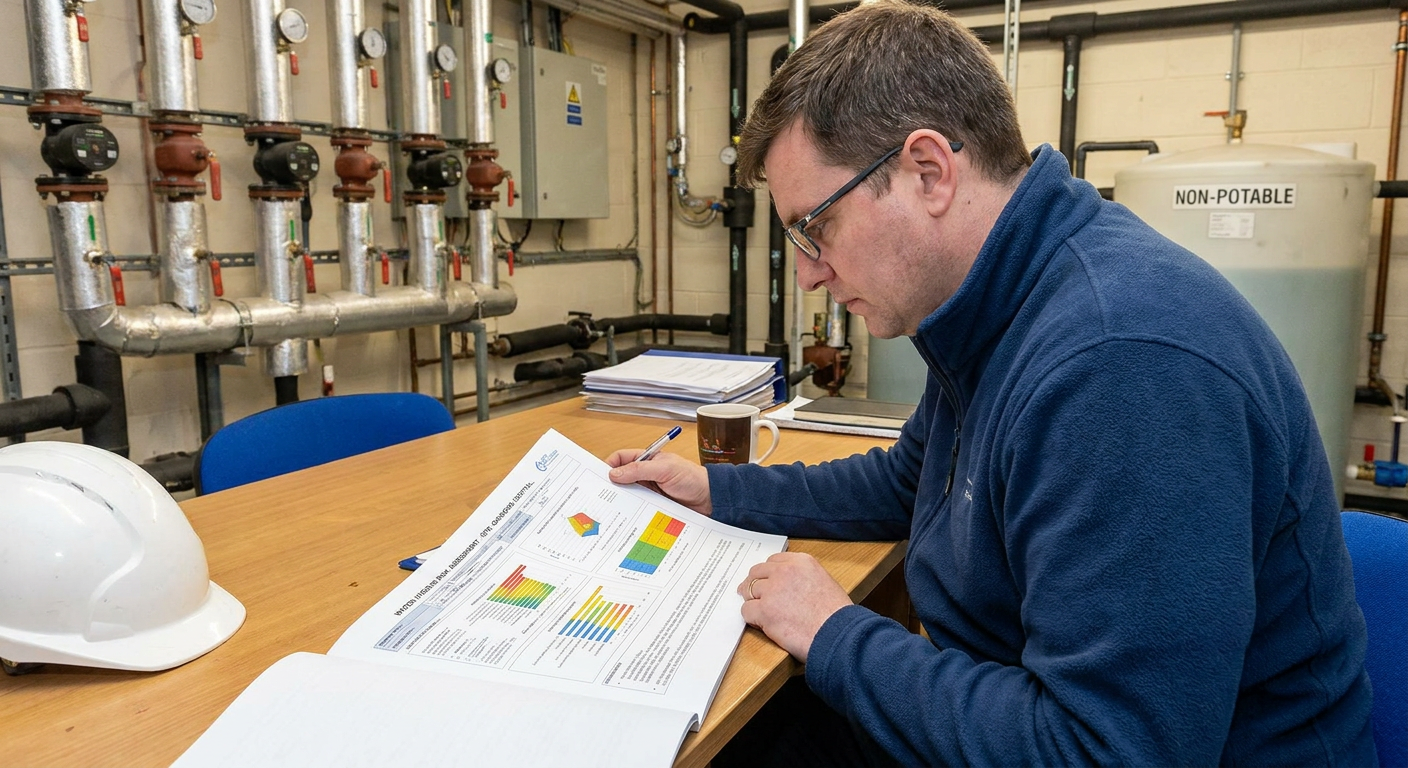
A water hygiene report should not just be filed away. It should help you understand what is happening across your water systems, what risks exist, and what actions need to be taken. HSE’s ACOP L8 is aimed at dutyholders and covers identifying and assessing risk, preparing a scheme to prevent or control risk, implementing and monitoring precautions, keeping records, and
Why Compliance Should Be Proactive, Not Reactive
In water hygiene and Legionella compliance, timing is everything. Too often, action is taken after something goes wrong – a failed audit, a temperature issue, or a gap in records. But by then, the risk has already existed for some time. The difference between reactive and proactive compliance is simple: Reactive compliance manages problems.Proactive compliance prevents them. And in complex

The Top 5 Water Hygiene Risks in Commercial Buildings
When it comes to Legionella compliance, the biggest risks aren’t always the obvious ones. In fact, most issues we see come from small, everyday gaps that go unnoticed over time. Understanding these risks is the first step to controlling them. 1. Inconsistent Temperature Control Hot and cold water systems depend on maintaining the correct temperatures. When checks are missed or