
Risk Management

Spending long hours in an office can sometimes leave workers feeling tired, uncomfortable or even unwell without an obvious cause. These issues often connect to the spaces employees spend time in, especially when air quality, office lighting or building maintenance are not properly managed.
This is known as sick building syndrome – a condition whereby occupants of a building (usually a workplace) can experience illness symptoms that improve once they leave the building. These symptoms can include, but are not limited to, dry eyes, a scratchy throat, lethargy and headaches. Some elements can even cause respiratory infections.
Understanding what triggers sick building syndrome gives building managers and business owners the knowledge needed to protect employee and building occupant health and improve the workplace environment.
Here, we’ll explore the key factors contributing to sick building syndrome and what you can do to improve the health of your employees.
1. Poor ventilation reducing fresh air circulation
When a building has poor ventilation, the air inside does not get replaced often enough with fresh outdoor air. This allows indoor pollutants, such as dust, fumes and moisture, to build up and circulate. You may notice the air feeling stale or heavy when circulation is limited.
Blocked ventilation ducts or ventilation inlets, poorly designed systems or a lack of maintenance can all reduce airflow. A malfunctioning system may let in too little outdoor air or fail to filter it properly, which lowers the overall air quality. Windows that cannot be opened – a feature in modern offices where temperature is controlled purely through HVAC systems – can make the problem worse.
Inadequate ventilation is a common factor in sick building syndrome. Without enough fresh air, occupants may experience headaches, tiredness or irritation of the eyes and throat. These symptoms often improve when people leave the building, which shows the link to indoor air conditions.
How to fix it: ensuring your building’s ventilation system is working correctly is the best way to reduce or eliminate these symptoms for employees. Regular inspections, duct cleaning and replacing air filters help maintain proper airflow. In smaller spaces, opening windows when possible can also improve circulation and bring in cleaner air. AHU cleaning can help keep your ventilation systems in tip-top shape from the source.
2. Accumulation of mould in damp areas
Mould grows when moisture builds up indoors. It’s most likely to appear in naturally moist areas with poor ventilation, such as bathrooms, kitchens or basements. Damp walls, ceilings and window frames are common spots where mould can spread.
The problem often begins with excess moisture from condensation, leaking pipes or rain seeping through damaged roofs and windows. Even new buildings can hold leftover construction moisture that encourages mould growth if not properly dried out.
Working in an office with damp and mould can affect both employees’ comfort and their health. Mould exposure is linked to breathing problems, allergies and worsening asthma. You may also notice musty odours and visible black or green patches on surfaces.
Mould does not just affect health. It can damage your property by making paint peel, wood rot and metal corrode. It’s a legal obligation to deal with mould in workplaces under the Control of Substances Hazardous to Health (COSHH) Regulations 2002, so this isn’t just a nice to have – it’s essential to keep your business compliant.
How to fix it: to prevent mould in the first place, you should keep rooms well ventilated, fix leaks quickly and control indoor humidity. Simple steps like opening windows periodically and using extractor fans when possible can help prevent damp conditions that allow mould to thrive.
Workplaces with existing instances of mould will likely need professional treatment. If there are some very small spores, you may be able to remove them with a damp cloth and paint over the surface with a mould-proof paint. Once the mould has been removed, keep the humidity down and monitor those rooms closely to ensure it doesn’t pop back up again.
3. Presence of pet dander and dust mites
Pet dander and dust mites are two of the most common indoor allergens. Pet dander consists of tiny flakes of skin shed by animals, which can be brought into the workplace on the clothes of employees with animals.
Dust mites are microscopic organisms that feed on shed skin cells and thrive in warm, humid environments. These allergens remain in the air for hours and can settle on furniture, carpets and clothing.
Outdoor allergens, like pollen, can also be present in a workplace. This can occur through pollen attaching itself to people’s clothes and then circulating via the HVAC system. Pollen-producing indoor plants like chrysanthemums and orchids can also release allergenic pollen into the work environment.
Employees may experience symptoms such as a runny nose, itchy eyes or wheezing if they are sensitive to these allergens. For people with asthma, exposure can make breathing problems worse. Because these particles are so small, they can easily be inhaled and trigger reactions.
How to fix it: You can reduce the volume of allergens in the air by ensuring your ventilation systems are working properly (which prevents the allergens circulating), vacuuming with a HEPA filter and keeping humidity levels low. Using commercial air purifiers and choosing easy-to-clean flooring and furniture can also help.
4. Bacterial contamination in HVAC systems
Your heating, ventilation and air-conditioning systems (HVAC) can collect dust, moisture and organic matter. These conditions allow bacteria and fungi to grow inside ducts, filters and cooling coils. When the system runs, it can spread these microbes into the indoor air.
Employees may notice symptoms such as headaches, eye irritation or throat discomfort if the system becomes contaminated. Poorly maintained air conditioning is linked to a higher risk of sick building syndrome.
Moisture build-up is a common trigger. Condensation on coils or leaks in ductwork can provide the damp environment bacteria need. Over time, this contamination can create bioaerosols that circulate throughout the building.
How to fix it: you can reduce risks by scheduling routine inspections and cleaning. Replacing filters, checking for leaks, and ensuring proper drainage keep the system dry and less hospitable to microbes. Regular servicing also helps maintain good airflow and indoor air quality.
5. Use of toxic cleaning chemicals indoors
Many cleaning products release chemicals into the air that can affect your employees’ health. Chemical pollutants such as ammonia, chlorine and synthetic fragrances can irritate people’s eyes, throat and skin, and make asthma symptoms worse. Over time, this can contribute to symptoms often linked with sick building syndrome.
Some cleaning sprays and disinfectants emit volatile organic compounds (VOCs). These compounds can lower indoor air quality and may trigger headaches or breathing problems.
How to fix it: you can reduce your exposure by choosing products labelled low-VOC or fragrance-free. Reading labels carefully helps you avoid unnecessary additives. You can also choose to use natural cleaning ingredients like white vinegar and water to eliminate irritants.
Good ventilation also makes a difference. Opening windows or using extractor fans while cleaning helps remove airborne chemicals more quickly. Storing products safely and keeping them sealed when not in use further limits emissions in your home or workplace.
6. Overcrowded workspaces increasing pollutants in offices
When too many people share the same space, the air quality often declines. Each person adds heat, carbon dioxide, skin cells and moisture, which can make the environment feel stuffy and uncomfortable. This can raise the risk of symptoms linked to sick building syndrome. Additionally, if some occupants are unwell, airborne infections can spread and give more people illnesses.
Overcrowding also allows airborne pollutants to build up more quickly. In a crowded room, volatile organic compounds from cleaning supplies and other allergens concentrate faster and are harder to dilute. This can increase the severity of symptoms.
Poor ventilation levels make the problem worse. Without enough fresh air, a range of pollutants and carbon dioxide remain trapped indoors. Many indoor air problems in offices often come from a mix of pollution sources and weak ventilation systems.
How to fix it: you can reduce the number of airborne contaminants in the air through initiatives like flexible and remote working. By limiting the number of people in the workplace at one time, there are fewer biological contaminants and airborne infections available to spread.
If you’re in a workplace that doesn’t allow for remote working, like a shop or manufacturing floor, you can limit the number of people in one place at a time and space out workstations. Adding more outdoor air through improved ventilation also helps. Simple steps, such as using air purifiers or adjusting occupancy levels, can make the indoor environment healthier.
7. Insufficient lighting causing discomfort
When a building has poor lighting, employees can experience eye strain, headaches or difficulty focusing. Even workplaces that seem brightly lit are only half as bright as a cloudy day. Insufficient lighting can also make it harder to read, work on screens or carry out detailed tasks. Over time, this discomfort can lower your concentration and energy levels.
Lighting that is too dim can also affect employees’ mood and alertness. Workers might feel more tired during the day if their workspace does not have enough natural or artificial light.
How to fix it: you can reduce these problems by improving natural light where possible. Keeping windows clear, using blinds that let in daylight and arranging desks near windows can make a difference.
If natural light is limited, you should use well-placed artificial lighting. Choose bulbs that provide consistent brightness and avoid glare. Regularly checking and maintaining lighting systems also helps prevent discomfort caused by poor lighting conditions.
8. Excessive noise contributing to stress
Constant background sounds in a workplace, such as office chatter, printers or machinery, can increase stress levels over time. This can make it harder for employees to stay focused and comfortable. It’s particularly a challenge for some neurodivergent employees due to sensory issues that many experienced.
Excessive noise and vibration in office buildings can cause symptoms like headaches, irritability and dizziness. Additionally, when people work in a noisy environment, their body stays in a state of alertness. This can raise their heart rate and make them feel more tired. Over time, this stress response can reduce employees’ productivity and well-being.
How to fix it: you can reduce noise by using sound-absorbing materials, rearranging office layouts or setting quiet zones. Even small changes, such as adding carpets or acoustic panels, can help lower noise levels and improve your comfort. In workplaces where remote and flexible working is possible, this is a good option – especially for employees who feel overwhelmed or overstimulated by a noisy environment.
If you cannot control the building design and employees can’t work from home, they may want to consider using noise-cancelling headphones or scheduling focused tasks during quieter times. These measures help workers manage stress and reduce the impact of noise on their health.
Air quality is a common theme
You’ll have noticed throughout this article that there’s a common theme running through most of the causes of sick building syndrome: air quality. There are many factors that can affect it, but ultimately, if your air quality is poor, your employees will suffer.
You can address this by tracking the quality of the air inside your building. Regular air quality monitoring helps you detect issues like high carbon dioxide, volatile organic compounds or contaminants before they affect health.
Use reliable sensors to measure air flow, humidity and pollutant levels. Continuous monitoring provides data that shows when adjustments are needed, such as increasing fresh air supply or changing filters.
Our air hygiene services can help you monitor and address the quality of your building’s air in order to keep your workforce healthy and happy.
Frequently asked questions
Buildings can create health problems when air circulation is poor, airborne building contaminants build up or the environment is not designed with comfort in mind. Ventilation, indoor chemicals, biological growth and workplace design all play a role in how people feel indoors.
What factors contribute to the development of sick building syndrome?
Your employees or building occupants may experience sick building syndrome when several conditions combine, such as poor ventilation, exposure to indoor chemicals and biological growth like mould. Dust, pet dander, and bacteria in air systems can also add to the problem. Environmental factors like lighting and workspace setup may make symptoms worse.
How can inadequate ventilation lead to sick building syndrome?
When fresh air does not circulate properly, pollutants stay trapped inside. This can cause headaches, eye irritation and breathing problems. According to the NHS, poor ventilation is one of the main reasons people feel unwell in certain buildings.
How do chemical contaminants from indoor sources trigger sick building syndrome?
Cleaning products, paints, and adhesives often release volatile organic compounds into the air. These chemicals can irritate employees’ eyes, nose and throat. The effects can be especially severe for people with asthma or other respiratory or skin conditions. Over time, regular exposure can also reduce concentration and energy levels, as it can reduce the level of oxygen employees breathe in.
What role do biological contaminants play in causing sick building syndrome?
Mould in damp areas, dander and dust mites can trigger allergic reactions and breathing issues. Bacteria in heating and cooling systems also may spread through the air and cause similar problems. That these biological factors are common in poorly maintained buildings.
How can poor lighting and ergonomics affect sick building syndrome?
Lighting that is too dim or too harsh can lead to eye strain and headaches. Crowded workspaces and poorly designed furniture may also cause fatigue and discomfort. These conditions may not release pollutants but still contribute to the feeling of being unwell indoors.
What strategies can be implemented to prevent sick building syndrome in office buildings?
You can reduce risks by improving ventilation, keeping HVAC systems clean and controlling moisture to stop mould growth. Using non-toxic cleaning products and reducing clutter also helps. Regular maintenance and good workplace design are also key steps in prevention.
Discover the Latest Blogs
Stay informed with our informative blog posts and articles.
All blogs
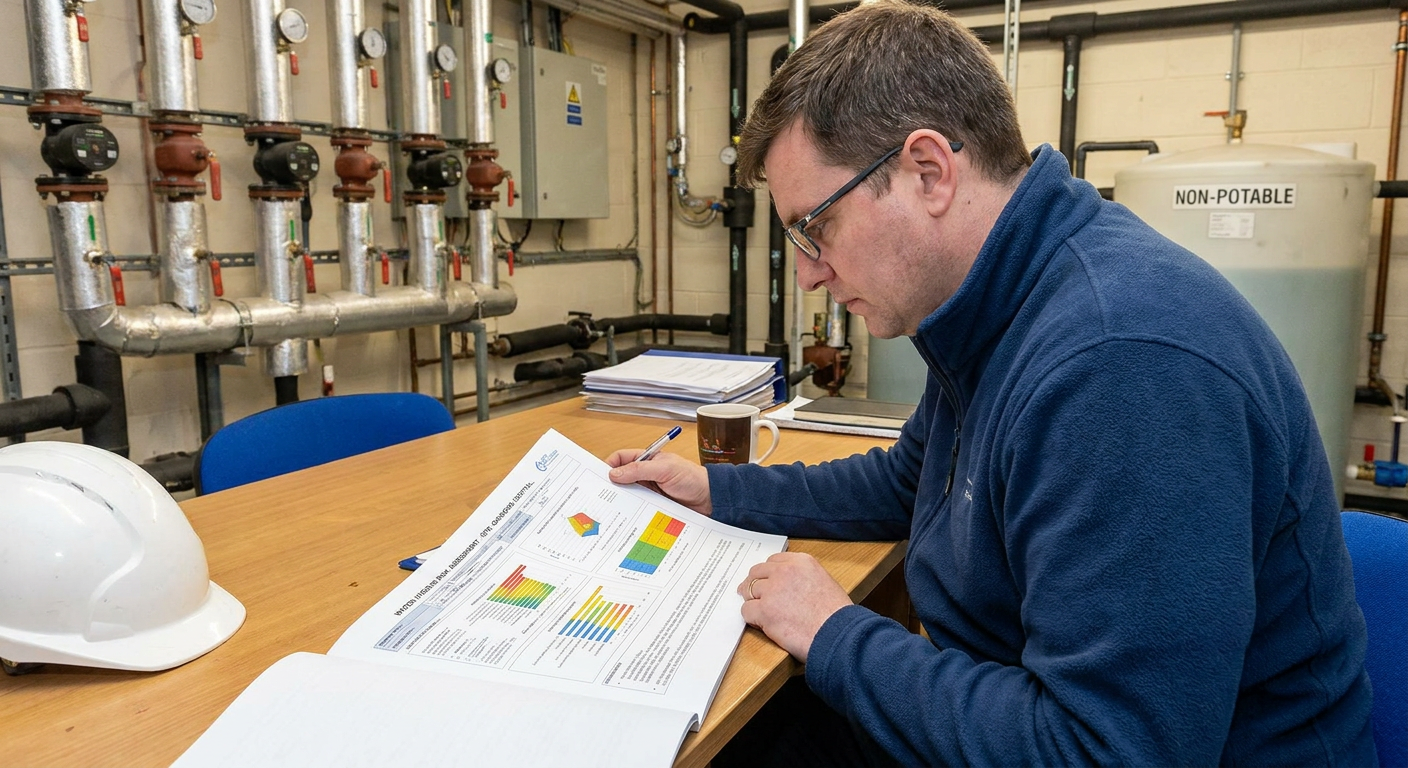
How to Read a Water Hygiene Report
A water hygiene report should not just be filed away. It should help you understand what is happening across your water systems, what risks exist, and what actions need to be taken. HSE’s ACOP L8 is aimed at dutyholders and covers identifying and assessing risk, preparing a scheme to prevent or control risk, implementing and monitoring precautions, keeping records, and

Why Compliance Should Be Proactive, Not Reactive
In water hygiene and Legionella compliance, timing is everything. Too often, action is taken after something goes wrong – a failed audit, a temperature issue, or a gap in records. But by then, the risk has already existed for some time. The difference between reactive and proactive compliance is simple: Reactive compliance manages problems.Proactive compliance prevents them. And in complex

The Top 5 Water Hygiene Risks in Commercial Buildings
When it comes to Legionella compliance, the biggest risks aren’t always the obvious ones. In fact, most issues we see come from small, everyday gaps that go unnoticed over time. Understanding these risks is the first step to controlling them. 1. Inconsistent Temperature Control Hot and cold water systems depend on maintaining the correct temperatures. When checks are missed or