
Risk Management
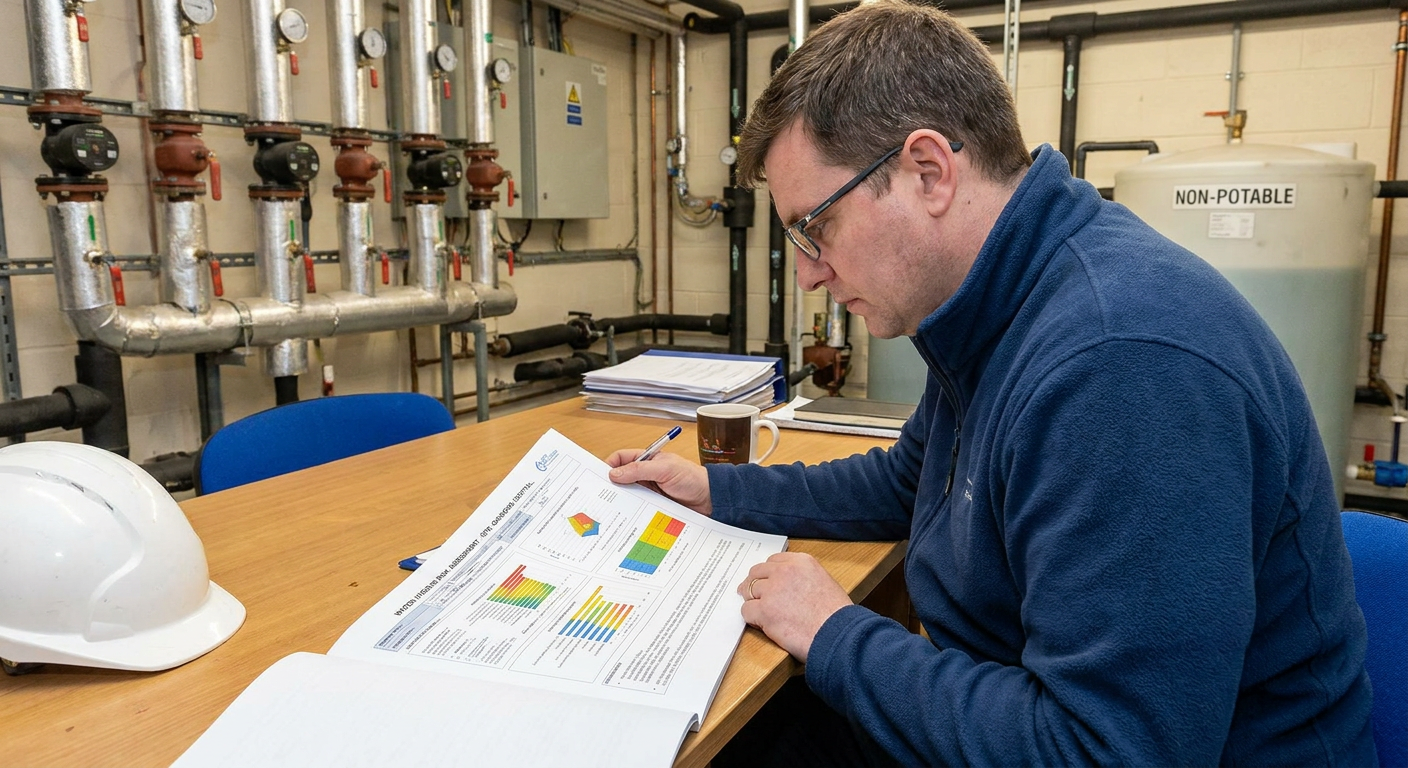
Risk management services
Legionella Risk Assessment
Comprehensive legionella risk assessment services designed to help you meet health and safety laws and manage the risk of exposure to legionella bacteria.
Under health and safety law, it is a key duty to conduct regular legionella risk assessments and ensure they remain up to date.
Learn more

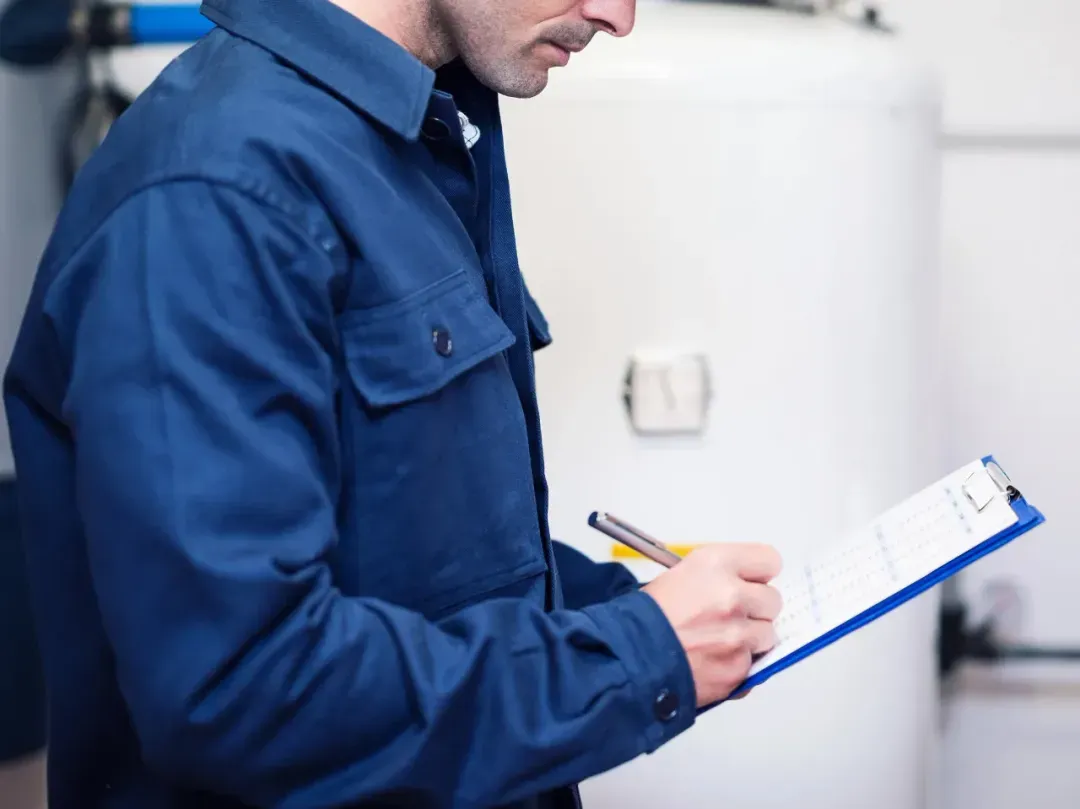
Your trusted partner for Legionella Risk Assessments
At Aqua Compliance Services, we follow the latest guidelines and standards, including HSG 274 part 2 and BS 8580-1 2019, to provide you with the most accurate and reliable risk assessments.
We understand the complexities involved in managing water systems and are committed to delivering services that keep you compliant and your people safe.
Contact us today to ensure your business is compliant with health and safety laws and protect your premises from the risks associated with legionella bacteria.

Understanding legionella and Legionnaires’ disease
Legionella bacteria are naturally occurring organisms found in various water systems. When conditions allow, such as in stagnant water or at certain temperatures, these bacteria can multiply and become a health hazard.
Legionnaires’ disease, a severe form of pneumonia, is caused by inhaling water droplets contaminated with legionella bacteria.
This disease poses significant health risks, particularly to vulnerable people with weakened immune systems, such as the elderly and those with chronic illnesses.
Legionnaires’ disease can lead to severe respiratory issues, and in some cases, it can be fatal. Therefore, understanding the dangers posed by legionella bacteria is the first step in protecting your premises and ensuring the safety of everyone who uses your water systems.
Key factors that contribute to the growth of legionella include water temperature, the presence of organic matter and the design and maintenance of water systems.

Importance of legionella risk assessments
Conducting a legionella risk assessment is not just a regulatory requirement but also a critical component of your health and safety strategy. These assessments help identify and evaluate potential risks in your water systems, including cold water systems, storage tanks and showers. Non-compliance can lead to severe health hazards and hefty fines. Ensuring regular assessments keeps you compliant and safeguards the health of everyone on your premises.
The risk of exposure to legionella bacteria can be significant in many environments, especially those with complex water systems or where water is stored and distributed. The assessment process involves identifying risk factors such as water temperature, stagnant water and the presence of nutrients that promote bacterial growth. Legionella risk assessments will also assess the design of your system and its operational parameters, ensuring it is fit for purpose. By addressing these issues, you can significantly reduce the risk of Legionnaires’ disease.
At Aqua Compliance Services, we emphasise the importance of a thorough and ongoing risk assessment process. Our team of experts provides you with detailed reports and actionable recommendations to ensure that all potential risks are managed effectively.
What Our Clients Are Saying
"We have been using Aqua’s services for many years now and we value their
engineer’s diligence when carrying out the work and the good communication with
management. We would recommend their services to others."

"Working with Aqua feels like part of a partnership and not just another contractor ticking boxes. Aquas demonstrated a profound understanding of water safety regulations and a commitment to ensuring our compliance with L8 standards."
"I am very happy with the services that Aqua provide to our clients, they’re very quick at responding to us and sending the reports over."

Our legionella risk assessment process
Our thorough legionella risk assessment process involves several key steps to ensure your water systems are safe and compliant:
Our surveyors are highly trained City & Guilds-certified professionals, ensuring a thorough and accurate assessment. We utilise the latest tools and techniques to provide reliable and effective risk assessments tailored to your specific needs.
Book a thorough legionella risk assessment with our expert team and ensure the safety of your water systems.
Contact us
Compliance and standards followed
Aqua Compliance Services adheres to all relevant standards and guidelines to ensure the highest level of safety and compliance. Our legionella risk assessments are conducted in accordance with:
HSG 274 part 1
This guide covers the control of legionella bacteria in evaporative cooling systems.
HSG 274 part 2
This guideline provides detailed advice on managing and controlling the risks associated with legionella bacteria in hot and cold water systems.
HSG 274 part 3
Provides guidance on the control of legionella bacteria in other risk systems.
BS 8580-1 2019
This British Standard outlines the requirements for risk assessments for legionella control, ensuring comprehensive and systematic evaluations.
Following these standards is crucial to ensuring the safety and compliance of your water systems. By adhering to these guidelines, we help you meet your legal requirements and provide a safe environment for your staff, residents and visitors.
Stay compliant with industry standards. Schedule your legionella risk assessment now and protect your premises from the risks associated with legionella bacteria.
Key features and benefits of our service
Our legionella risk assessment services offer numerous features and benefits designed to keep your water systems safe and compliant:

Comprehensive evaluations
We conduct thorough assessments of all water systems and potential risks.

Detailed reports
Our assessments come with clear, actionable recommendations based on our findings.

Ongoing support
We provide continuous support and maintenance services to ensure long-term compliance.
By choosing Aqua Compliance Services, you benefit from peace of mind, knowing that your water systems are safe and well-maintained. Our professional and knowledgeable team is dedicated to helping you meet all legal requirements and protect the health of everyone who uses your water systems.

Contact us
Ready to schedule your legionella risk assessment? Aqua Compliance Services is here to help. Contact us today to ensure your water systems are safe and compliant. Our team of experts is ready to assist you with all your legionella risk assessment needs.
Contact us
Frequently asked questions
Have more questions? Get in touch with us for expert advice. Our team at Aqua Compliance Services is ready to assist you with all your legionella risk assessment needs.
Contact us
A legionella risk assessment involves evaluating water systems to identify potential risks associated with legionella bacteria. The assessment includes examining areas such as cold water systems, storage tanks, showers and pipework to detect conditions that might support bacterial growth. The goal is to implement control measures to manage and mitigate these risks effectively.