
Risk Management
When it comes to Legionella compliance, the biggest risks aren’t always the obvious ones.
In fact, most issues we see come from small, everyday gaps that go unnoticed over time.
Understanding these risks is the first step to controlling them.
1. Inconsistent Temperature Control
Hot and cold water systems depend on maintaining the correct temperatures.
When checks are missed or systems drift out of range, it creates the ideal environment for bacteria growth, often without immediate warning signs.
2. Low Usage and Water Stagnation
Unused outlets, low occupancy areas, or changes in how a building is used can lead to stagnant water.
Without regular flushing regimes, this becomes a significant risk area; particularly in larger or multi-site buildings.
3. Outdated Risk Assessments
A risk assessment should reflect how a building operates today.
If it’s outdated or too generic, it won’t highlight real risks, leaving gaps in your control measures.
4. Poor Record Keeping
Records aren’t just for audits, they’re essential for tracking trends and proving control.
Incomplete or inconsistent documentation makes it difficult to spot issues early or demonstrate compliance when it matters.
5. Lack of Communication
This is one of the most common and overlooked risks.
When site teams, contractors, and account managers aren’t aligned, responsibilities become unclear and tasks get missed.
Strong communication is often the difference between a well-managed system and one that slowly falls out of control.
Final Thought
Most risks in commercial buildings are predictable and preventable.
But only if they’re consistently monitored, reviewed, and managed.
Good compliance isn’t just about doing the work.
It’s about understanding where the risks are and staying in control of them.
Discover the Latest Blogs
Stay informed with our informative blog posts and articles.
All blogs
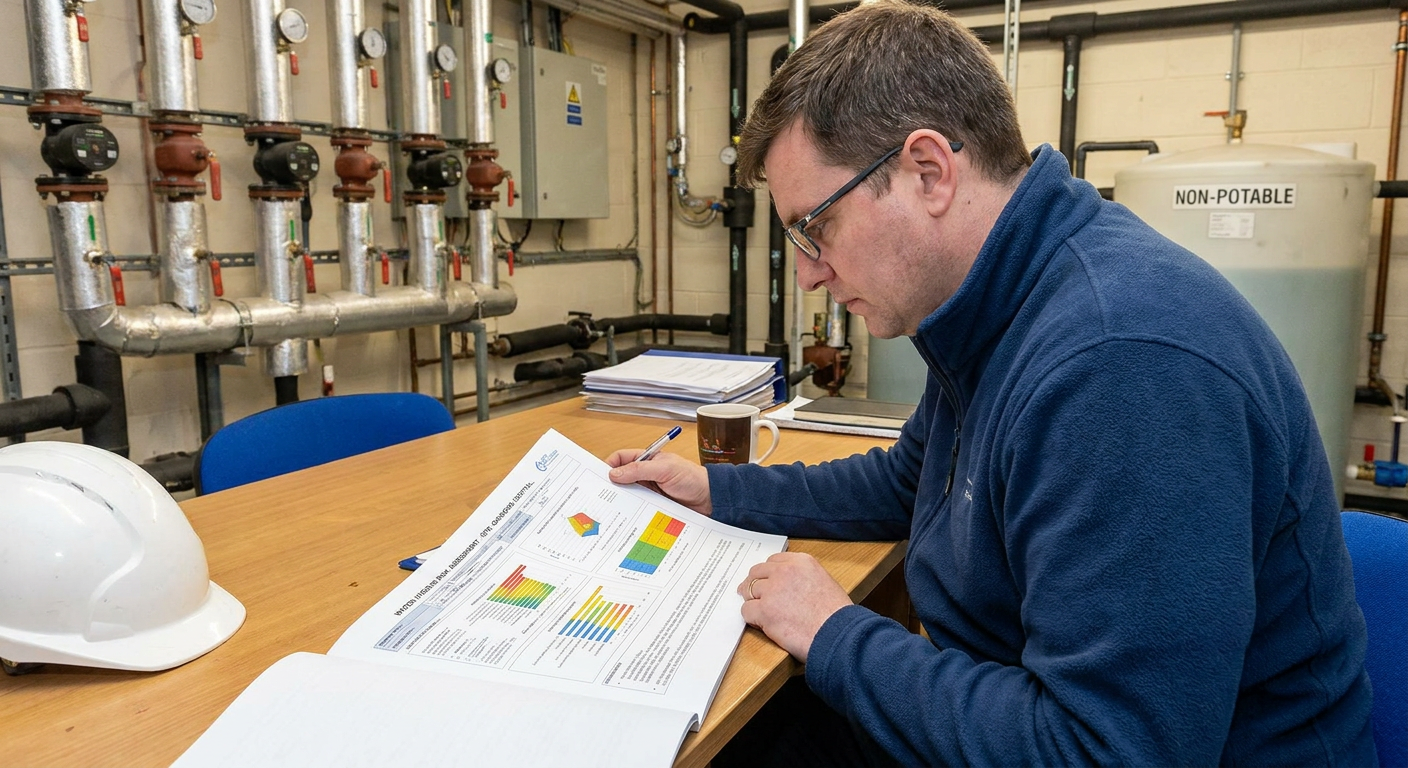
How to Read a Water Hygiene Report
A water hygiene report should not just be filed away. It should help you understand what is happening across your water systems, what risks exist, and what actions need to be taken. HSE’s ACOP L8 is aimed at dutyholders and covers identifying and assessing risk, preparing a scheme to prevent or control risk, implementing and monitoring precautions, keeping records, and
Why Compliance Should Be Proactive, Not Reactive
In water hygiene and Legionella compliance, timing is everything. Too often, action is taken after something goes wrong – a failed audit, a temperature issue, or a gap in records. But by then, the risk has already existed for some time. The difference between reactive and proactive compliance is simple: Reactive compliance manages problems.Proactive compliance prevents them. And in complex

The Top 5 Water Hygiene Risks in Commercial Buildings
When it comes to Legionella compliance, the biggest risks aren’t always the obvious ones. In fact, most issues we see come from small, everyday gaps that go unnoticed over time. Understanding these risks is the first step to controlling them. 1. Inconsistent Temperature Control Hot and cold water systems depend on maintaining the correct temperatures. When checks are missed or