Risk Management

Keeping your building’s water safe is a key responsibility for every landlord. Bacteria such as legionella, E. coli and salmonella can be found in water systems and may lead to health issues for your tenants if not managed properly.
The best way to prevent harmful bacteria in water is by keeping your water systems clean, regularly maintained and free from stagnation.
Water left standing, especially between 20°C and 45°C, provides the perfect environment for bacteria like legionella to grow. Showers, taps and tanks that are not used often are especially at risk. For this reason, understanding the signs and knowing the simple steps to prevent bacteria multiplying is vital for protecting your building occupants’ health and meeting your obligations as a landlord.
Whether you rent out homes or own commercial properties, hotels or long-term care facilities, our guide to common bacteria in water will help you understand how to prevent illness amongst occupants.
Understanding bacterial contamination in water
Bacterial contamination in water can come from many sources and may affect both public and private water supplies. Knowing where germs come from, which water sources are most vulnerable and the health risks involved helps you make informed decisions as a landlord.
How bacteria enter water systems
Bacteria can enter water systems when water becomes polluted by animal faeces, human sewage or decaying plant matter. Cattle farms or other types of farms can be a major source, especially if runoff from farms and fields enters nearby streams or reservoirs. This is because cow poop can contain a lot of these common bacterial strains. Poorly maintained water pipes in building water systems may also let contaminants in.
Polluted stormwater runoff is another common way bacteria get into water, especially after heavy rain. Contaminants from roads, farms and gardens are washed into rivers and lakes, carrying germs with them. Even a small drop of water from a polluted area can contain millions of bacteria.
Complex water systems in older buildings or poorly designed plumbing can allow bacteria to grow, especially if water is left to stagnate. Regular checks of your water pipes, fixtures and tanks are essential for limiting risk.
Building water systems in large flats, commercial buildings or other large structures may have spots where water does not flow properly. Stagnant water makes it easier for bacteria to grow and later spread through taps and showers. Regular maintenance and testing help protect your tenants in these settings.
Key health risks from contaminated water
Waterborne bacteria can cause stomach problems, diarrhoea, vomiting and even severe sickness in vulnerable people like the elderly or young children. Common pathogens include E. coli, legionella and salmonella, all of which may spread easily in water not treated or checked regularly.
Even a single drop of contaminated water may carry enough germs to cause illness. Building water systems that aren’t maintained can allow these bacteria to multiply and affect anyone drinking or using the water.
Health risks are highest where water supplies are not well monitored, and symptoms often appear quickly in infected people; sometimes just hours after exposure.
The 7 most common bacteria in water
Water supplies in properties can become contaminated with a range of harmful bacteria. Some strains can result in serious illness outbreaks, especially when poor infrastructure or poor maintenance allow them to spread and thrive.
1. E. coli
E. coli is a bacteria commonly found in the intestines of humans and animals. It often gets into water supplies through runoff from farms, polluted stormwater runoff or sewage systems leaking, which can enter cracked pipelines, especially after heavy rains.
Certain strains of E. coli, like O157, can cause severe stomach cramps, diarrhoea and vomiting. In young children and elderly people, these infections are more dangerous and can sometimes lead to kidney failure.
E. coli contamination is a major red flag for water quality. Routine water testing is vital, especially if your property uses private wells or is near septic systems. Preventing E. coli outbreaks means fixing leaks, securing sewage systems and making sure all wastewater is properly treated before it touches any freshwater source. Regular inspections and maintenance of plumbing can help keep these bacteria out of your tenants’ taps.
2. Legionella
Legionella bacteria are found in freshwater environments such as lakes and rivers, but they can become a problem indoors. Legionella grows best in warm water, especially in plumbing systems, hot water tanks, showerheads and cooling towers.
These bacteria cause Legionnaires’ disease, a type of pneumonia that is especially risky for older adults or people with weak immune systems. Outbreaks are linked to building water systems that allow water to stagnate or maintain temperatures between 20°C and 45°C, creating the perfect breeding ground.
Prevention strategies include keeping hot water above 60°C and cold water below 20°C, regularly flushing little-used pipes and cleaning showerheads and taps to prevent limescale build-up where bacteria can hide. Legionella risk assessments are required in many settings.
3. Salmonella
Salmonella bacteria are often associated with undercooked food, but it’s a strain of bacteria that’s also commonly found in water. Like E. coli, they can enter water due to issues with sewage systems or because of water run-off from livestock farms into groundwater.
Salmonella bacteria are known for causing stomach pain, diarrhoea and fever. Water treatment helps to prevent salmonella, and water systems and pipeworks should be thoroughly inspected to ensure the source can be identified and fixed.
In a pinch, salmonella can be removed from water by boiling the water for one minute.
4. Hepatitis
Both hepatitis A and E can contaminate drinking water, if sewage systems overflow or well water isn’t well-maintained. These viruses affect the liver, so they can cause jaundice, fatigue and stomach pain. While it’s possible to be vaccinated against these viruses, it’s important to ensure they don’t enter your water supply.
5. Norovirus and rotavirus
Norovirus and rotavirus are two other viruses that can commonly be found in water, if systems aren’t maintained well enough. Like many other contaminants on this list, they enter drinking water supplies through sewage systems overflowing and runoff from farms and polluted stormwater.
As highly transmittable diseases, it’s important that these two contaminants are kept out of drinking water systems. The virus particles are too small to be removed via water filters, so proper water system maintenance and treatment is essential to prevention.
6. Cryptosporidium
Cryptosporidium is bacteria that is largely associated with farms, like many other contaminants here. It’s also likely to enter water systems via infected lakes, rivers and runoff from farms, making water treatment essential.
Infected people will experience common symptoms including prolonged diarrhoea, nausea and vomiting and a loss of appetite. The latter can cause people to become malnourished and dehydrated, leading to symptoms like dark urine and fatigue. Recent outbreaks in the south of England have brought more awareness to cryptosporidium.
7. Campylobacter
Campylobacter is most commonly associated with food poisoning, but it can also cause illness through contaminated water.
It is a strain of bacteria that is commonly found in farm animals, making its transmission point contaminated farm water, lakes and rivers.
Symptoms of bacterial waterborne illnesses
Bacterial waterborne illnesses often start with symptoms in the digestive tract but can sometimes affect other organs. Recognising signs quickly helps prevent further spread and protects tenants and building occupants from serious health issues.
Severe gastrointestinal symptoms
The most common signs of bacterial contamination in water appear in the digestive system. Victims might notice stomach pain, watery diarrhoea and sometimes bloody diarrhoea. People often experience severe stomach cramps that come on quickly, followed by frequent trips to the toilet.
Other warning symptoms include nausea, vomiting and a general loss of appetite. Sometimes the infection becomes systemic. Watch for joint pain or yellow skin (jaundice) which signals possible liver involvement. Symptoms can vary in intensity from mild discomfort to severe illness, especially among children or the elderly.
Respiratory and systemic manifestations
Certain waterborne bacteria cause symptoms outside the digestive tract. For example, legionella bacteria can lead to shortness of breath, muscle aches and headaches. Bacteria may also cause a runny nose, cough and high fever in infected people, especially in vulnerable groups like the elderly and those with weak immune systems.
General tiredness and ongoing aches often develop as the illness progresses.
Think about these common symptoms if tenants complain of respiratory problems after using contaminated tap water or showers.
Skin and other uncommon symptoms
While less frequent, waterborne bacteria can cause skin reactions. Skin rashes may appear, usually as red, itchy patches, often after contact with affected water during bathing or cleaning.
Other unusual symptoms include swelling, blisters or sores. In rare cases, wounds exposed to contaminated water may become infected, resulting in pain or pus formation. These complications are more likely if infected people have open cuts or weakened immune defences.
Unusual signs deserve attention, even if they do not fit classic patterns.
Preventing bacterial contamination in rental and commercial properties
Bacteria like legionella and E. coli can pose real health risks in rented homes and commercial premises if left unchecked. Regular checks, system maintenance and choosing the right treatments will help keep your water clean and safe.
Water filtration and treatment solutions
Water filters are a practical first step. They capture sediment, chemicals and microbes from drinking water. Simple tap or under-sink filters can catch common contaminants, while systems like reverse osmosis remove tiny bacteria and viruses for much cleaner water.
For broader protection, you may consider UV light systems. These units fit into main pipes and use ultraviolet rays to kill bacteria before water leaves the tap. This approach is especially helpful in properties with private wells or older plumbing.
Keep in mind, filters must be replaced on schedule or they lose effectiveness. Integrating several treatments, for example a carbon filter followed by UV, can target a wider range of germs. This is especially important in larger buildings or where outbreaks have been reported.
Maintaining water systems and infrastructure
Old, damaged or rarely used pipes allow bacteria to grow. Schedule regular closed water system maintenance to spot leaks, corrosion and limescale. Clean water tanks and flush out taps that are not used often. This can stop biofilm from forming, which helps bacteria stick around.
Decorative features like fountains and hot tubs are often overlooked but need attention. Ensure any feature that holds water is cleaned often, drained when not in use, and checked for germs. Complex water systems in large buildings may need professional risk assessments to keep all parts safe for tenants.
Clear records of maintenance visits and repairs help track issues and show that you are compliant with UK health regulations. Tenants should be told how to spot and report water problems in their flat or house.
Assessing and improving hot water systems
Bacteria such as legionella thrive in water heaters and warm pipes. To prevent growth, hot water heaters must be kept at a temperature of at least 60°C.
Insulate pipes to reduce heat loss and avoid cold spots. In large properties, water should flow regularly through all pipes, including those that serve seldom-used showers or sinks.
If you manage a complex water system, it’s essential to carry out risk assessments for legionella and act on the results. Regular monitoring makes it easier to spot early signs of trouble and prevent bacteria from taking hold.
Frequently asked questions
As a landlord, you must meet health and safety rules about water quality and bacteria in your properties. Keeping records, following proper procedures and understanding your responsibilities are key to avoiding problems and legal issues.
What are the legal obligations of landlords regarding waterborne bacteria prevention?
You are legally required to ensure your property’s water supply is safe and does not put tenants at risk. This includes preventing exposure to organisms like legionella and other harmful bacteria.
Regular risk assessments are needed, and you must take reasonable steps to manage and lower any risks found. Failure to comply may lead to prosecution or financial penalties.
Can landlords perform legionella risk assessments themselves, and if so, how?
Yes, as a landlord, you may carry out a basic legionella risk assessment yourself, especially in smaller residential properties.
This involves checking for conditions that allow bacteria to grow, such as stagnant water, debris in tanks, or water temperatures between 20°C and 45°C, where legionella can thrive.
For the most thorough risk assessment possible, it’s recommended that you use professional water hygiene services like Aqua Compliance.
What steps should be taken to mitigate the presence of common germs in water systems?
You should regularly clean water tanks, keep tanks and pipework covered to prevent root and animal entry and flush out unused taps and pipes.
Check for and remove any sources of contamination, like debris in water storage. Keep water temperatures outside the range where most bacteria grow, as many pathogens thrive between 20°C and 45°C.
Discover the Latest Blogs
Stay informed with our informative blog posts and articles.
All blogs
How to Read a Water Hygiene Report
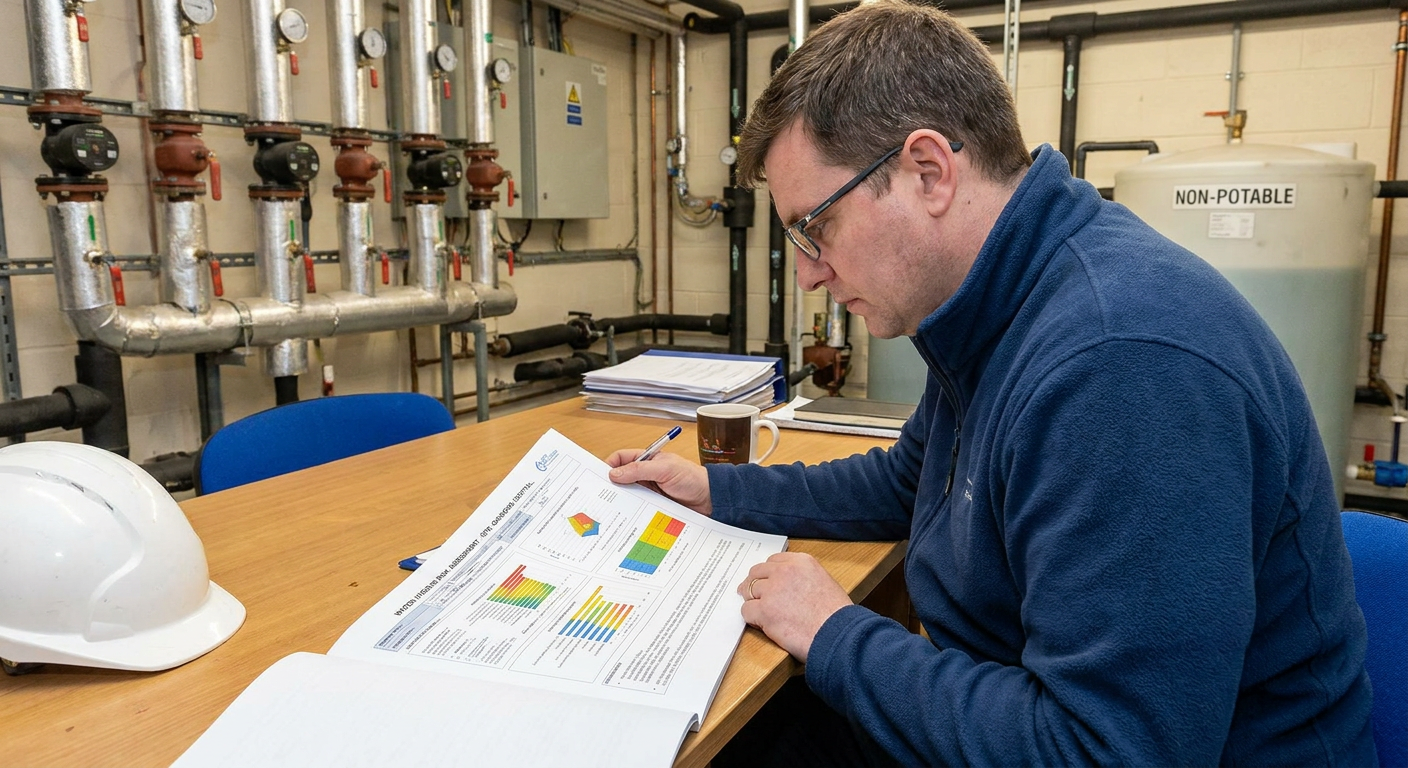
A water hygiene report should not just be filed away. It should help you understand what is happening across your water systems, what risks exist, and what actions need to be taken. HSE’s ACOP L8 is aimed at dutyholders and covers identifying and assessing risk, preparing a scheme to prevent or control risk, implementing and monitoring precautions, keeping records, and
Why Compliance Should Be Proactive, Not Reactive
In water hygiene and Legionella compliance, timing is everything. Too often, action is taken after something goes wrong – a failed audit, a temperature issue, or a gap in records. But by then, the risk has already existed for some time. The difference between reactive and proactive compliance is simple: Reactive compliance manages problems.Proactive compliance prevents them. And in complex

The Top 5 Water Hygiene Risks in Commercial Buildings
When it comes to Legionella compliance, the biggest risks aren’t always the obvious ones. In fact, most issues we see come from small, everyday gaps that go unnoticed over time. Understanding these risks is the first step to controlling them. 1. Inconsistent Temperature Control Hot and cold water systems depend on maintaining the correct temperatures. When checks are missed or