
Risk Management

Keeping water safe and hygienic in private schools protects everyone’s health. Clean water prevents illness from bacteria and viruses, keeps your facilities working properly and helps build trust with parents, staff and pupils.
Your school needs clear water policies that outline how to check, treat and maintain your water systems. Regular testing and good hygiene routines are key, as even a small lapse can have big consequences.
Setting up a routine for water hygiene management will help prevent waterborne diseases and support a safer environment for everyone on your school campus.
Understanding the importance of water safety is the first step. Knowing exactly what tasks to complete and when ensures your school stays compliant, and it gives you peace of mind that your water is safe to use every day.
With years of experience in supporting private schools and their water hygiene, our experts cover everything you need to know to keep pupils safe in your independent school.
Ensuring safe and hygienic water provision in private schools
Safe and accessible drinking water is vital for students’ health and learning. Keeping water systems clean, monitored and well-managed prevents illness and builds confidence among parents and staff.
Understanding water quality standards and regulations
You are required to follow national water quality regulations and guidelines to provide safe drinking water in your school. The various iterations of the Water Supply Regulations and the School Premises (England) Regulations 2012 work together to make sure water used in schools is potable and free from harmful levels of chemicals or bacteria.
The Department for Education expects all schools to meet the standards set out by Public Health England and the Public Health Agency for water safety. This includes regular water quality testing and strict backflow prevention to stop contaminants entering your main supply. Safe water should be available at all drinking points, including water fountains and water coolers.
Some private schools use specialist water dispensers, and you should always choose devices that are certified for use in schools and easy to sanitise.
Maintaining and monitoring school water facilities
Routine maintenance and monitoring are key to preventing water safety problems in your school. You must identify and keep a list of all water outlets such as taps, fountains, mains-plumbed water coolers and tanked water supplies. Schedule inspections and servicing for these units.
You might find it handy to use simple checklists to record cleaning and maintenance tasks. Water systems should be flushed regularly, especially after school holidays, to remove stagnant water and reduce bacteriological contamination risks.
Monthly or quarterly water sampling can detect early signs of water quality issues. Keep transparent records of all checks and follow-ups as part of your compliance strategy.
Hygienic handling and delivery methods for drinking water
Good hygiene practices ensure that safe drinking water is consistently available. All water dispensers, including water coolers and fountains, must be cleaned on a regular schedule using antibacterial solutions. Ensure taps and surfaces are wiped down daily and disinfected weekly.
Train staff on best practices for handling refillable bottles, and make sure shared bottles or cups are never used. Instruct students to avoid touching spouts or outlets with their hands, face or bottles. Where possible, opt for mains-plumbed water coolers as they reduce the risks linked to stored tanked water, such as stagnation or contamination.
Addressing contamination and rapid repairs
When you suspect or confirm contamination, act quickly to stop students from using any affected outlets. Access to these drinking facilities should be removed immediately, ideally through disconnection from the main water supply. If bacteriological contamination is detected in your water supply, you should address it immediately. Disinfection services will be required to make your school’s water drinkable again.
Legionella risk assessments and water sampling will show you if the problem has cleared before you return your systems to use. Keep an emergency plan for alternative water provision, such as bottled water, if on-site water supplies fail. Clear procedures for emergency and repairs ensure the ongoing safety of students and staff during any water-related incident.
Developing and implementing effective school water policies
Creating effective water policies in private schools protects the health of students and staff and supports compliance with legal standards. Schools need clear processes, high-quality facilities and education to promote healthy hydration and hygiene.
Formulating comprehensive water policies and protocols
A strong school water policy should clearly outline drinking water access, hygiene routines and maintenance. Involve school governing bodies and facilities operators when writing these standards. This ensures everyone has a role and understands their responsibilities.
Policies must align with national guidelines to guarantee safe, free drinking water. Many schools are now connecting their water policy with health initiatives, encouraging students to drink water over sugary drinks, making it even more important to keep your drinking water facilities clean and safe.
To improve accountability, use an evaluation template to review and update plans regularly. Ongoing monitoring and assessment will help you spot gaps in service and respond to issues quickly.
Facilities management and user accessibility
Safe and accessible water is linked to clean, user-friendly toilets and regular maintenance. Facilities operators need clear schedules for cleaning and urgent repairs. Risk assessments should be part of everyday management.
Make sure water dispensers and fountains are in locations where students are most active, such as playgrounds and near dining spaces. Adequate handwashing stations with soap and water are important for both hygiene and public awareness. Regular checks for bacteria like legionella and ensuring water temperatures remain safe are essential practices for school safety.
Promoting healthy hydration and educational initiatives
Integrating water drinking incentives into your curriculum and school culture is key to supporting fluid intake and nutritional health. Use posters, group activities and positive reinforcement to remind students to choose water throughout the school day.
Link hydration habits with food education topics. Teach about the importance of drinking water as part of school lunch routines and in line with the standards for school meals. Staff can reinforce positive choices by drinking water themselves and encouraging students through daily interactions.
Involve parents and caregivers with awareness campaigns. Host workshops or send information home highlighting the benefits of water and the school’s role in promoting healthy habits. This connection between education and practice leads to lasting change within your school community.
Frequently asked questions
Keeping drinking water safe and providing reliable sanitation are key in private schools. High standards help stop the spread of disease, support students’ health and learning and build more trust with parents.
What measures are in place to ensure drinking water safety in private schools?
To keep your school’s drinking water safe, you should regularly test for contaminants, install filtration systems and maintain clean pipes and storage. Staff should be trained to spot and report problems early, and students should be empowered to raise issues like discoloured or strange-tasting water. Routine audits review all systems to ensure everything meets strict health regulations.
What could be causing unpleasant flavours in the drinking water provided by schools?
Unpleasant flavours often result from old or corroded pipes, bacteria or chemical residues. If tap water tastes strange, it should be tested for possible contaminants and shut off from students and staff. Disinfecting and flushing the pipes, or installing improved filtration systems, can remove these problems and provide fresh water.
What role does water sanitation and hygiene play in the comprehensive health education of schoolchildren?
Water, sanitation and hygiene are vital topics within health education. Students learn how germs spread and how hygiene stops illness. Lessons cover topics like safe handwashing, disease prevention and personal cleanliness. These principles support good health, better concentration and safer school environments.
Discover the Latest Blogs
Stay informed with our informative blog posts and articles.
All blogs
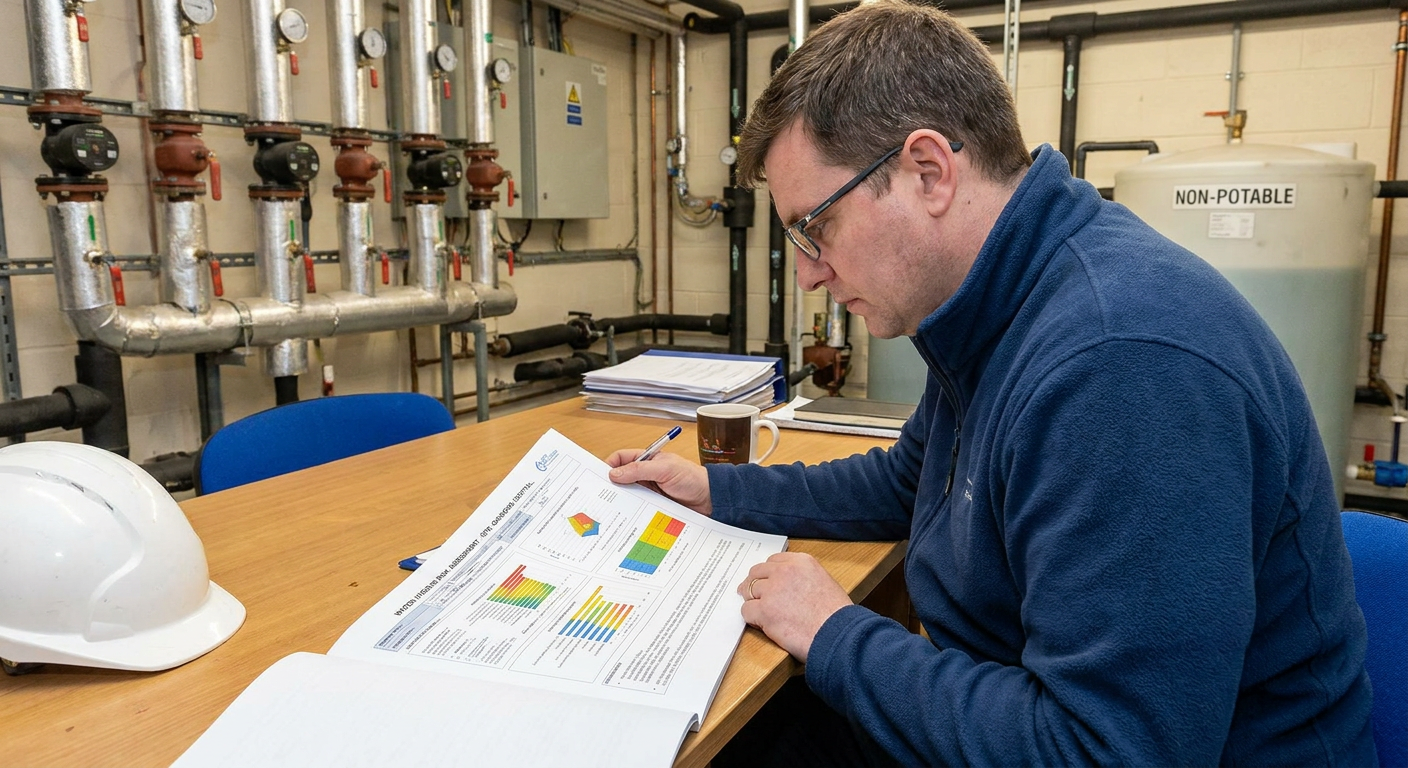
How to Read a Water Hygiene Report
A water hygiene report should not just be filed away. It should help you understand what is happening across your water systems, what risks exist, and what actions need to be taken. HSE’s ACOP L8 is aimed at dutyholders and covers identifying and assessing risk, preparing a scheme to prevent or control risk, implementing and monitoring precautions, keeping records, and
Why Compliance Should Be Proactive, Not Reactive
In water hygiene and Legionella compliance, timing is everything. Too often, action is taken after something goes wrong – a failed audit, a temperature issue, or a gap in records. But by then, the risk has already existed for some time. The difference between reactive and proactive compliance is simple: Reactive compliance manages problems.Proactive compliance prevents them. And in complex

The Top 5 Water Hygiene Risks in Commercial Buildings
When it comes to Legionella compliance, the biggest risks aren’t always the obvious ones. In fact, most issues we see come from small, everyday gaps that go unnoticed over time. Understanding these risks is the first step to controlling them. 1. Inconsistent Temperature Control Hot and cold water systems depend on maintaining the correct temperatures. When checks are missed or