
Risk Management
In water hygiene and Legionella compliance, timing is everything.
Too often, action is taken after something goes wrong – a failed audit, a temperature issue, or a gap in records. But by then, the risk has already existed for some time.
The difference between reactive and proactive compliance is simple:
Reactive compliance manages problems.
Proactive compliance prevents them.
And in complex commercial environments, that difference is critical.
What Does Proactive Compliance Look Like?
It’s not about doing more, it’s about doing things better.
Proactive compliance means:
- Reviewing systems regularly, not just servicing them
- Spotting trends in data before they become issues
- Keeping risk assessments live and relevant
- Acting early when something doesn’t look right
- Maintaining clear communication across all teams
It creates control, rather than uncertainty.
Instead of anxiously trying to track down all the information when an audit is looming, it is much more beneficial to have a clear checklist that is regularly reviewed to ensure that you have everything you need on file.
Why It Matters
Most compliance failures don’t come from major breakdowns.
They come from small gaps:
- Missed checks
- Gradual temperature drift
- Changes in building usage
- Assumptions that “everything is fine”
Left unchecked, these small issues build into real risks. If you have a water hygiene provider, ensure they send your reports as soon as possible after the visit. Waiting weeks or months on end for reports isn’t a good sign – find a reliable, consistent contractor.
Staying Ahead
The most effective compliance strategies are built on anticipation, not reaction.
Because in reality, risks are rarely sudden.
They develop over time and they leave signs.
The key is having the visibility, structure, and communication in place to catch them early.
Compliance shouldn’t be about catching up.
It should be about staying ahead.
Discover the Latest Blogs
Stay informed with our informative blog posts and articles.
All blogs
How to Read a Water Hygiene Report
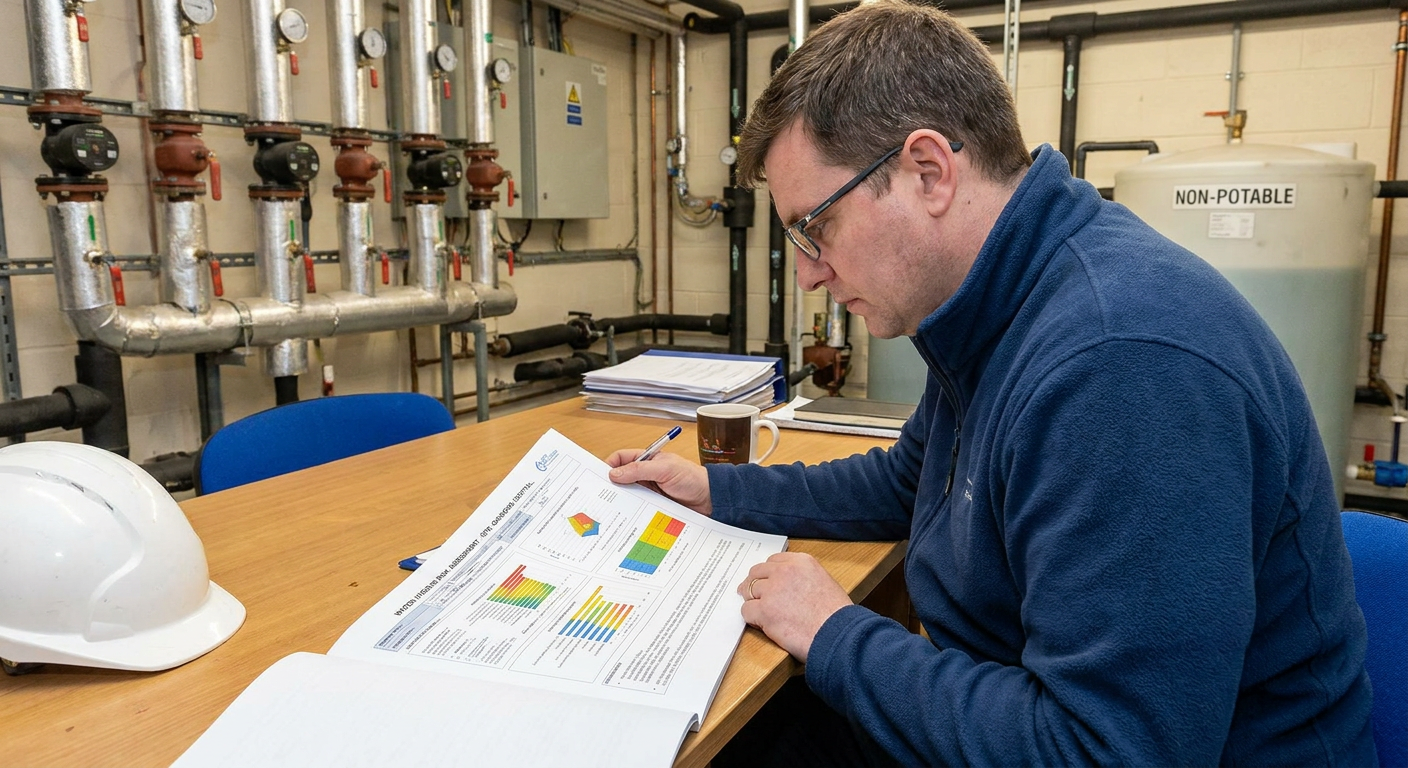
A water hygiene report should not just be filed away. It should help you understand what is happening across your water systems, what risks exist, and what actions need to be taken. HSE’s ACOP L8 is aimed at dutyholders and covers identifying and assessing risk, preparing a scheme to prevent or control risk, implementing and monitoring precautions, keeping records, and
Why Compliance Should Be Proactive, Not Reactive
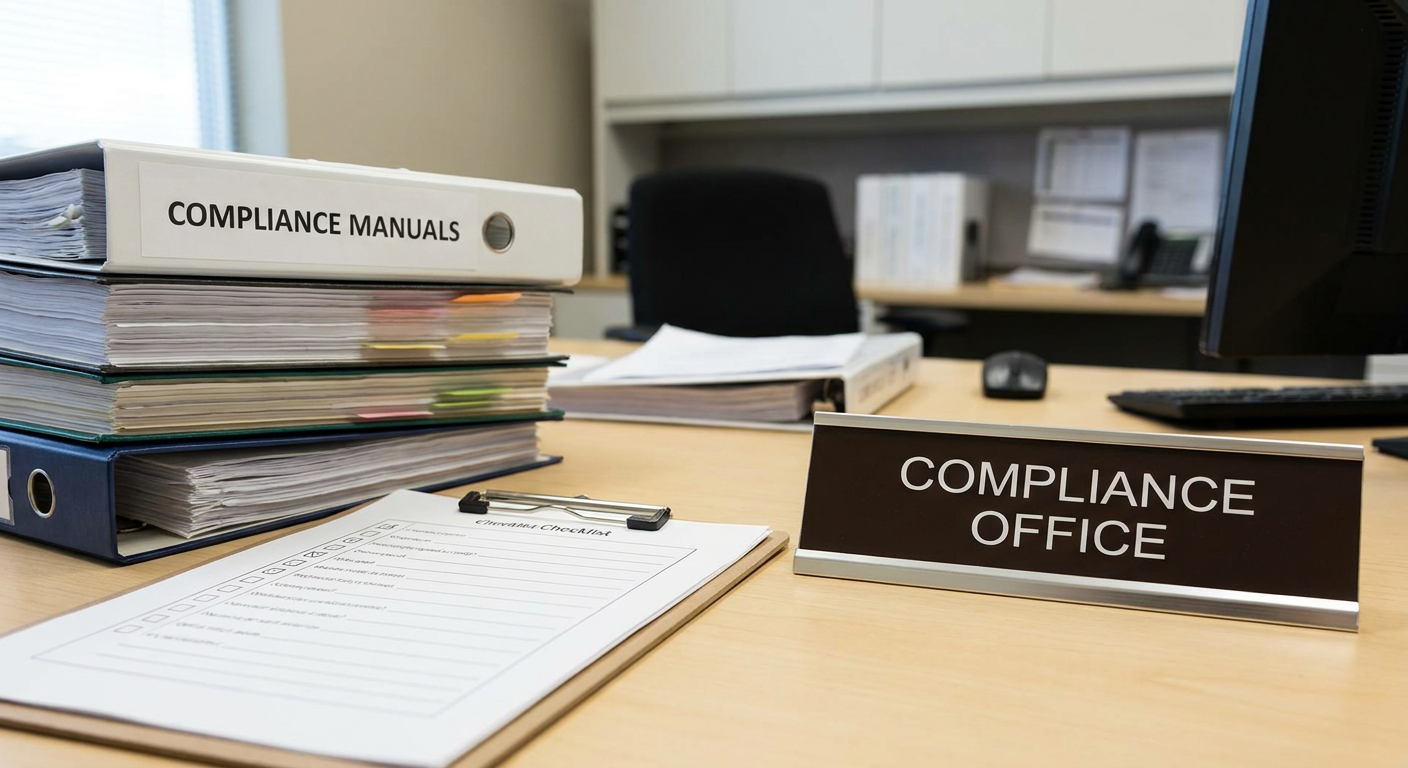
In water hygiene and Legionella compliance, timing is everything. Too often, action is taken after something goes wrong – a failed audit, a temperature issue, or a gap in records. But by then, the risk has already existed for some time. The difference between reactive and proactive compliance is simple: Reactive compliance manages problems.Proactive compliance prevents them. And in complex

The Top 5 Water Hygiene Risks in Commercial Buildings
When it comes to Legionella compliance, the biggest risks aren’t always the obvious ones. In fact, most issues we see come from small, everyday gaps that go unnoticed over time. Understanding these risks is the first step to controlling them. 1. Inconsistent Temperature Control Hot and cold water systems depend on maintaining the correct temperatures. When checks are missed or