
Risk Management

Keeping your hot and cold water systems at the right temperatures is one of the most effective ways to control the risk of legionella in your rental building.
Legionella bacteria thrive in water that is not hot or cold enough, which can put tenants and other building occupants at risk of serious illness. As a landlord, knowing the correct temperature ranges and how to monitor them protects both your property and those living in it.
You’ll need to keep hot water stored at a minimum of 60°C and cold water temperatures below 20°C to help stop legionella from growing in your system. Regular checks and simple steps can keep your water safe, reduce health risks and ensure you are meeting your legal responsibilities.
This article will help you understand why temperature matters, what to look out for and how to stay compliant with the law.
Understanding legionella temperature control in water systems

Managing water temperature is the most effective way to reduce the risk of legionella bacteria in hot and cold water systems. Here, we’ll cover the temperatures you need to keep your water at, where bacteria can grow and how you can monitor each part of your water system.
The right temperatures for legionella prevention
Legionella bacteria multiply fastest in water temperatures between 20°C and 45°C. This range is sometimes called the “prime temperature” for legionella growth. You need to control temperatures carefully to stop the bacteria from causing harm.
Hot water should be stored at 60°C or above in hot water storage cylinders. For cold water systems, keep the temperature below 20°C at all sentinel outlets. Temperatures above 60°C kill most legionella bacteria, while temperatures below 20°C keep them dormant.
Routine temperature checks at sentinel outlets, such as cold and hot taps, help you spot problems early. Cold water storage tanks and pipework should be checked at least every six months to ensure temperatures stay within a safe range.
Sources and risks of legionella bacteria
Legionella bacteria are found naturally in lakes and rivers, but problems occur when they grow in potable water systems inside buildings. Risks increase when water is kept warm but not hot, and when it remains stagnant in pipes or tanks.
Stagnant water in cold water storage tanks, distribution pipework or outlets allows bacteria to multiply. This is especially risky in unused or rarely used areas of the system. Legionella can enter indoor systems through mains water or contaminated water left standing in pipework or tanks. If someone inhales small droplets from outlets with bacteria, they could develop Legionnaires’ disease, a serious lung infection.
Pay attention to places like showerheads, cold and hot taps and outlets where water may sit unused for long periods. Cleaning these regularly and running all outlets helps reduce the risk of Legionnaires and other illnesses caused by contaminated water.
Hot and cold water system components
A typical system has several key parts: hot water storage cylinders, cold water storage tanks, distribution pipes, pipework, ball valves, hot water inlets and outlets (including sinks and showers). Each part can affect how well you control legionella temperatures.
| Component | What to check |
| Hot water storage cylinders | Temperature (≥ 60°C), signs of limescale, insulation |
| Cold water storage tanks | Temperature (< 20°C), cleanliness, stagnant water |
| Distribution pipework | Unused sections, proper insulation, corrosion |
| Ball valve (at cold tank) | Water temperature, smooth operation |
| Hot/cold taps, showers | Rapid water flow, right temperature at outlet |
Neglecting any part allows warm water environments to develop, which is ideal for legionella. Use monthly checks and maintain all components, focusing on areas where water may not circulate properly.
Landlords’ legal responsibilities and practical management

Landlords must manage temperatures in hot and cold water systems to help prevent the growth of legionella bacteria. Good practice includes checking temperature controls and keeping accurate records, following UK safety rules and carrying out regular maintenance of water systems.
Routine monitoring and temperature checks
You need to check your property’s hot and cold water systems on a regular basis, at least quarterly. Take temperature readings using an accurate thermometer, ideally a surface temperature probe for pipes and tanks. Hot water should be stored and distributed at 60°C or above to kill legionella, while cold water should be below 20°C.
Record temperatures at different points, including hot and cold taps, showers, cold water tanks and calorifiers. For buildings with more complex systems, such as those with a condensing boiler, heat pump or water softeners, more detailed monitoring may be needed.
Taps and showers that are not used often should be flushed regularly. Following clear guidance for testing taps ensures that all outlets are checked in line with best practices. Landlords, building operators and facilities managers should keep consistent routines to avoid lapses in safety.
UK safety regulations and compliance requirements
You must follow the Control of Substances Hazardous to Health (COSHH) regulations. UK law requires a risk assessment for legionella in all rental properties, both domestic and commercial. The Health and Safety Executive outlines a duty to assess and, if necessary, control risks linked to legionella in the water supply.
Small domestic properties usually need a straightforward risk assessment. For more complex sites, such as buildings with irrigation systems or engineering contractors, safety standards get stricter. Compliance programmes may include installing thermostatic mixer valves, using filters or applying biocide treatments like chlorine dioxide.
Your legal responsibilities include letting tenants know about identified risks and explaining steps taken to control them. Clear signage and up-to-date documentation are part of compliance.
Water safety plans and risk assessments
A clear water safety plan is essential. Begin with a risk assessment that identifies all parts of your water system, including tanks, pipework and outlets. This process may involve collecting water samples for laboratory analysis.
Assessors should look for places where water could stagnate, such as dead legs in pipework or oversized cold water tanks. The assessment needs to take account of any water treatment programme, anti-legionella cycles, and the use of technologies like copper and silver ionisation.
Commercial premises and large buildings often require help from a qualified maintenance professional or engineering contractor. Experts like Aqua Compliance provide thorough legionella risk assessments, complete with comprehensive documentation and remedial actions.
Maintenance strategies and record keeping
Routine maintenance keeps water systems safe. This includes descaling taps and showerheads, flushing out unused outlets and cleaning cold water tanks. Regular inspection and cleaning stop dirt and biofilm from building up, which reduces the risk of legionella growth.
Keep accurate records of all maintenance tasks, temperature checks and corrective actions taken. Use checklists, templates or a digital compliance programme to make record-keeping easier. Facilities managers and building managers should review logs on a monthly basis to make sure all actions are up to date.
Practical training ensures that both landlords and staff understand testing procedures and maintenance. When tasks require specialist knowledge, such as managing a system with surface temperature probes or deciding on biocide treatments, contact a water hygiene specialist like Aqua Compliance. Regular audits of records and processes help maintain compliance and ensure occupant safety.
Frequently asked questions
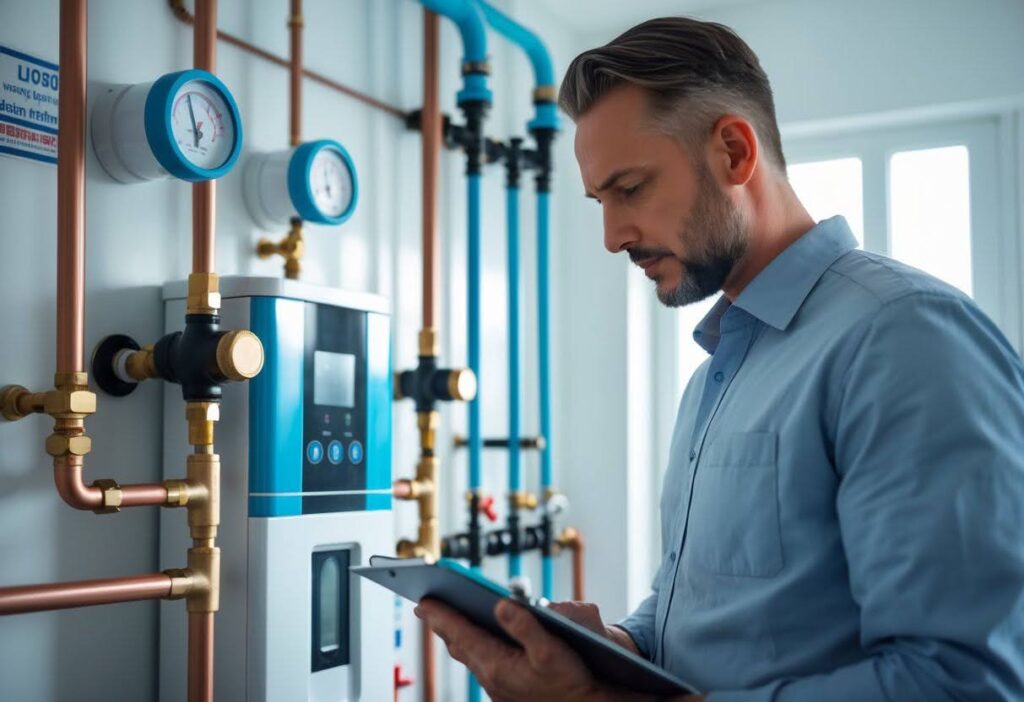
Proper water temperature control and regular checks can lower the risk of legionella growth in your property’s water systems. Legal rules and safety guidance direct how often you should inspect, flush and monitor water to protect tenants.
How long should taps be run to effectively flush out legionella?
You should run taps and showers for at least two minutes to help flush out any stagnant water, which can encourage legionella growth. This is especially important in properties that have been empty or unused.
Running taps regularly helps keep water moving and reduces the chance of bacteria building up.
What temperature should hot water be stored at to minimise legionella risk?
It is recommended that hot water is stored at a minimum of 60°C. At this temperature, legionella bacteria cannot survive.
You can carry out a check of water temperatures at the top of the hot water cylinder using a thermometer for accurate results.
Is conducting a legionella risk assessment a legal requirement for landlords?
Legionella risk assessments are required for all landlords in the UK. This includes private landlords, housing associations and those responsible for commercial premises.
You must assess the risk of legionella to keep tenants safe and meet your legal duties.
At what intervals must landlords conduct legionella testing in their properties?
There is no set legal frequency for legionella testing, but risk assessments should be kept up-to-date and reviewed regularly. You should conduct a new assessment whenever there is a major change to the water system or when building occupants change.
Regular reviews help you catch new risks early and prove compliance if needed.
What steps should landlords take to treat and manage legionella in water systems?
You should regularly inspect and clean water tanks, pipes, and outlets. Ensure that water does not become stagnant by running all taps and showers at least weekly in unused areas.
If legionella is found, you may need professional treatment, such as cleaning, disinfection services or flushing the system at high temperatures.
Discover the Latest Blogs
Stay informed with our informative blog posts and articles.
All blogs
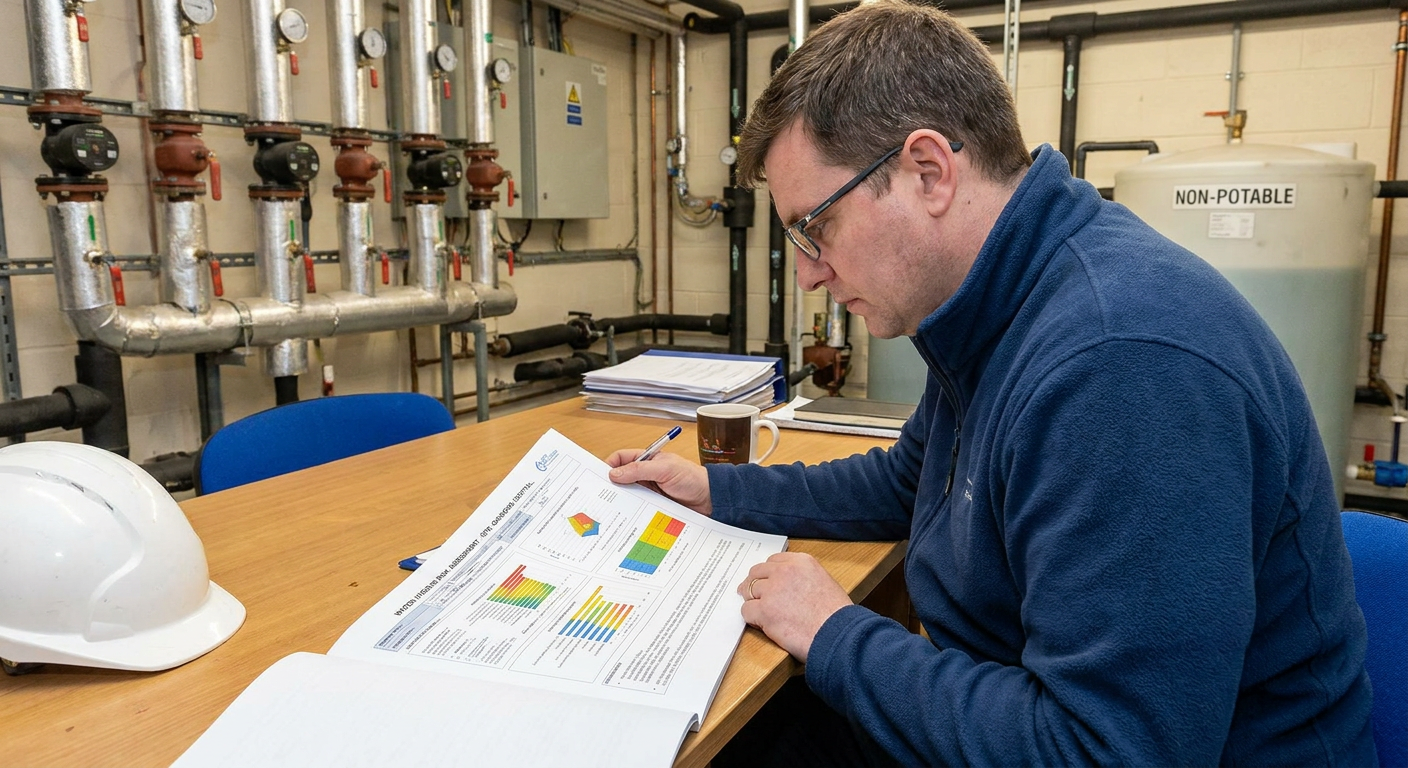
How to Read a Water Hygiene Report
A water hygiene report should not just be filed away. It should help you understand what is happening across your water systems, what risks exist, and what actions need to be taken. HSE’s ACOP L8 is aimed at dutyholders and covers identifying and assessing risk, preparing a scheme to prevent or control risk, implementing and monitoring precautions, keeping records, and
Why Compliance Should Be Proactive, Not Reactive
In water hygiene and Legionella compliance, timing is everything. Too often, action is taken after something goes wrong – a failed audit, a temperature issue, or a gap in records. But by then, the risk has already existed for some time. The difference between reactive and proactive compliance is simple: Reactive compliance manages problems.Proactive compliance prevents them. And in complex

The Top 5 Water Hygiene Risks in Commercial Buildings
When it comes to Legionella compliance, the biggest risks aren’t always the obvious ones. In fact, most issues we see come from small, everyday gaps that go unnoticed over time. Understanding these risks is the first step to controlling them. 1. Inconsistent Temperature Control Hot and cold water systems depend on maintaining the correct temperatures. When checks are missed or